How Often Should You Cold Plunge, Sauna, or Do Red Light Therapy? A Tampa Guide
The Honest Answer: It Depends (But Here Are Real Starting Points)
Walk into any wellness facility and you will hear wildly different advice about how often to use recovery therapies. Some places say come every day. Others say once a week is plenty. The truth is somewhere in between, and the right answer depends on what you are actually trying to accomplish.
At Body Aligned in Tampa Heights (405 E. Oak Avenue), we would rather give you a realistic schedule you will actually stick with than an ambitious plan that falls apart after two weeks. Here is what the research says about frequency for each recovery modality, what we have observed working with clients in Tampa, and where the science still has gaps.
Cold Plunge Frequency: How Many Times Per Week?
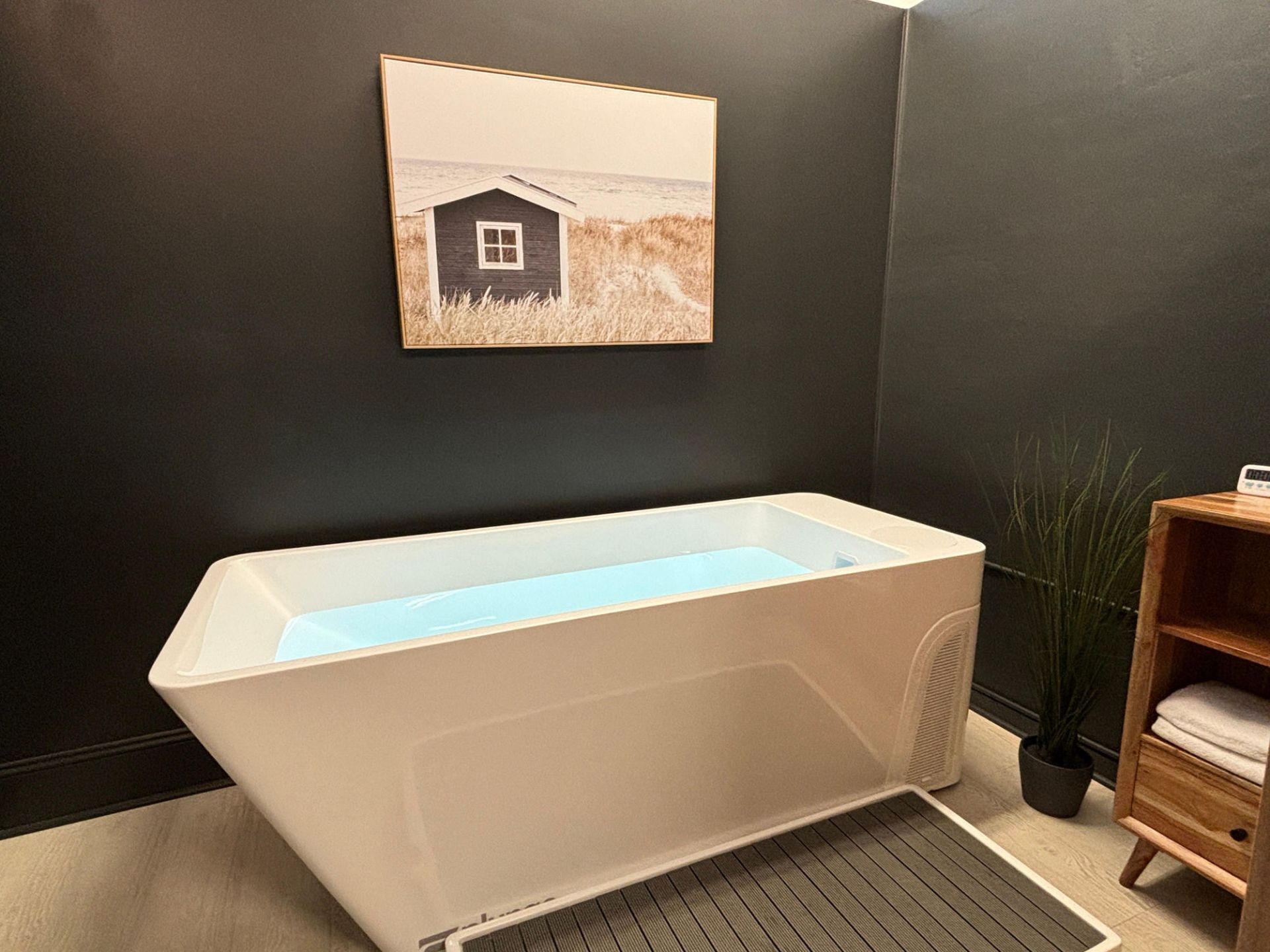
Most research on cold water immersion uses protocols of 2 to 4 sessions per week. A 2022 meta-analysis published in the British Journal of Sports Medicine found that regular cold water exposure was associated with reduced muscle soreness and faster perceived recovery after exercise.
For practical purposes, here is what tends to work:
Just starting out: 1 to 2 sessions per week at 50 to 59 degrees for 1 to 3 minutes. Your body needs time to adapt to the cold stress response. Jumping straight to daily sessions usually leads to people quitting entirely.
Consistent users: 2 to 3 sessions per week. This is the sweet spot for most people who use the cold plunge for general recovery and stress management.
Athletes in heavy training: 3 to 4 sessions per week, timed carefully. If you are doing strength training and trying to build muscle, cold plunging immediately after lifting may blunt some of the hypertrophy response. We covered this research in detail in our post-workout recovery guide.
One thing worth noting: there is no strong evidence that daily cold plunging is harmful for healthy adults, but there is also no evidence that daily provides meaningfully better results than 3 times per week. More is not always more.
If you are new to cold exposure, our guide to your first cold plunge breaks down exactly what to expect at our Tampa Heights location on Oak Avenue.
Infrared Sauna Frequency: Finding Your Schedule
The most-cited sauna research comes from Finland, where a long-term study published in JAMA Internal Medicine followed over 2,000 men and found that those who used a sauna 4 to 7 times per week had significantly better cardiovascular outcomes than those who used it once per week. That study looked at traditional Finnish saunas, not infrared, but the general principle of "more frequent use correlates with better outcomes" is worth noting.
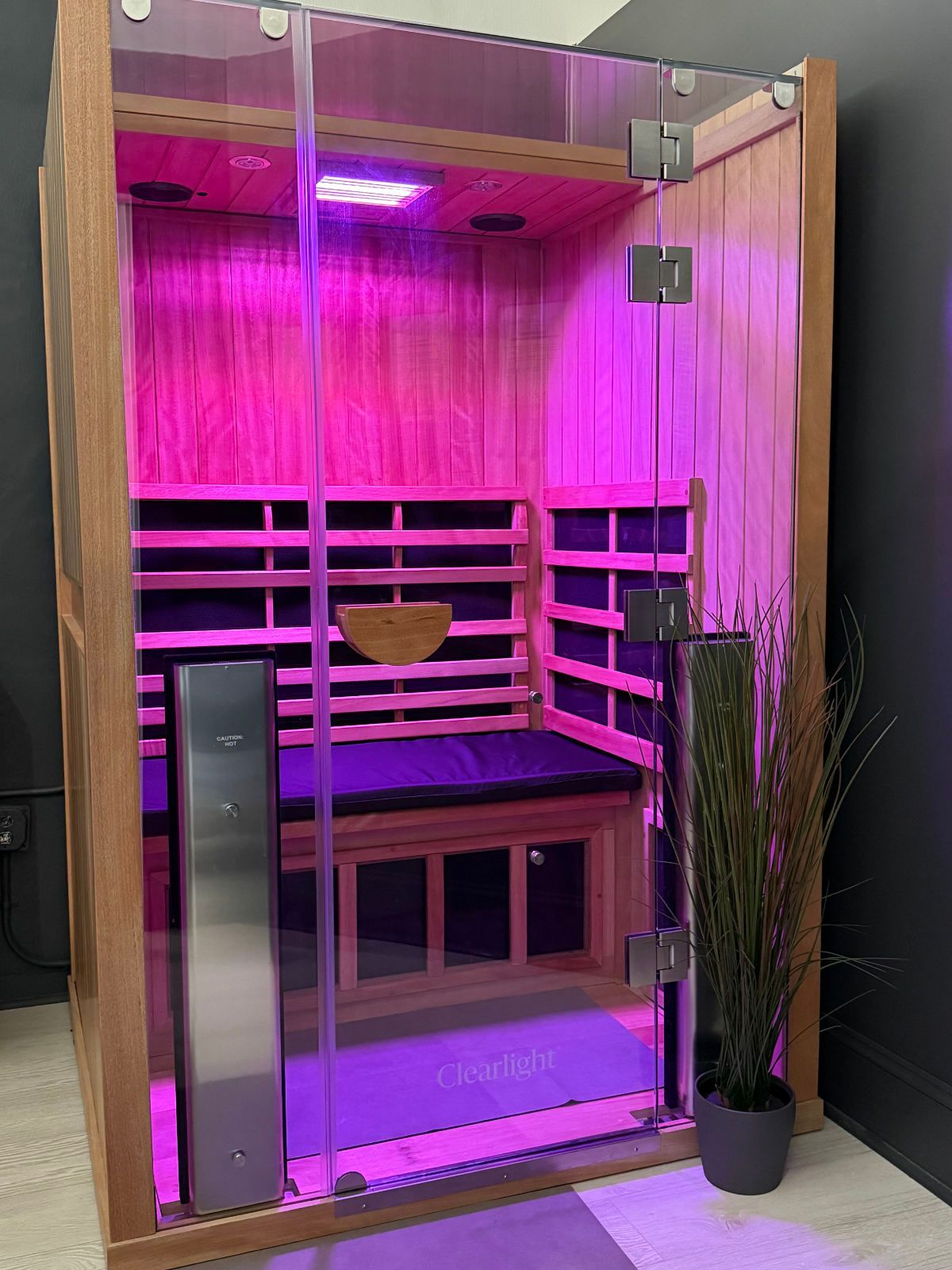
Infrared saunas operate at lower temperatures (typically 120 to 135 degrees) than traditional saunas, which means recovery between sessions is generally easier. Here is a reasonable framework:
Beginners: 1 to 2 sessions per week for 15 to 20 minutes. Start on the lower end of temperature settings and work up.
Regular users: 3 to 4 sessions per week for 20 to 30 minutes. This is where most people in our Tampa Heights studio land once they have been using infrared sauna consistently for a month or more.
Daily use: Some people do use infrared sauna daily, and there is no strong evidence against it for healthy adults. But if you are feeling drained or dehydrated after sessions, that is your body telling you to scale back.
The key difference between infrared and traditional sauna frequency is the recovery demand. Because infrared saunas create less total heat stress, you can generally use them more frequently without feeling wiped out. We compared the two approaches in detail in our infrared sauna vs. traditional sauna comparison.
Hydration matters here. The Cleveland Clinic recommends drinking at least 2 to 4 glasses of water after each sauna session, and you should be well-hydrated before stepping in.
Red Light Therapy Frequency: The Most Forgiving Schedule
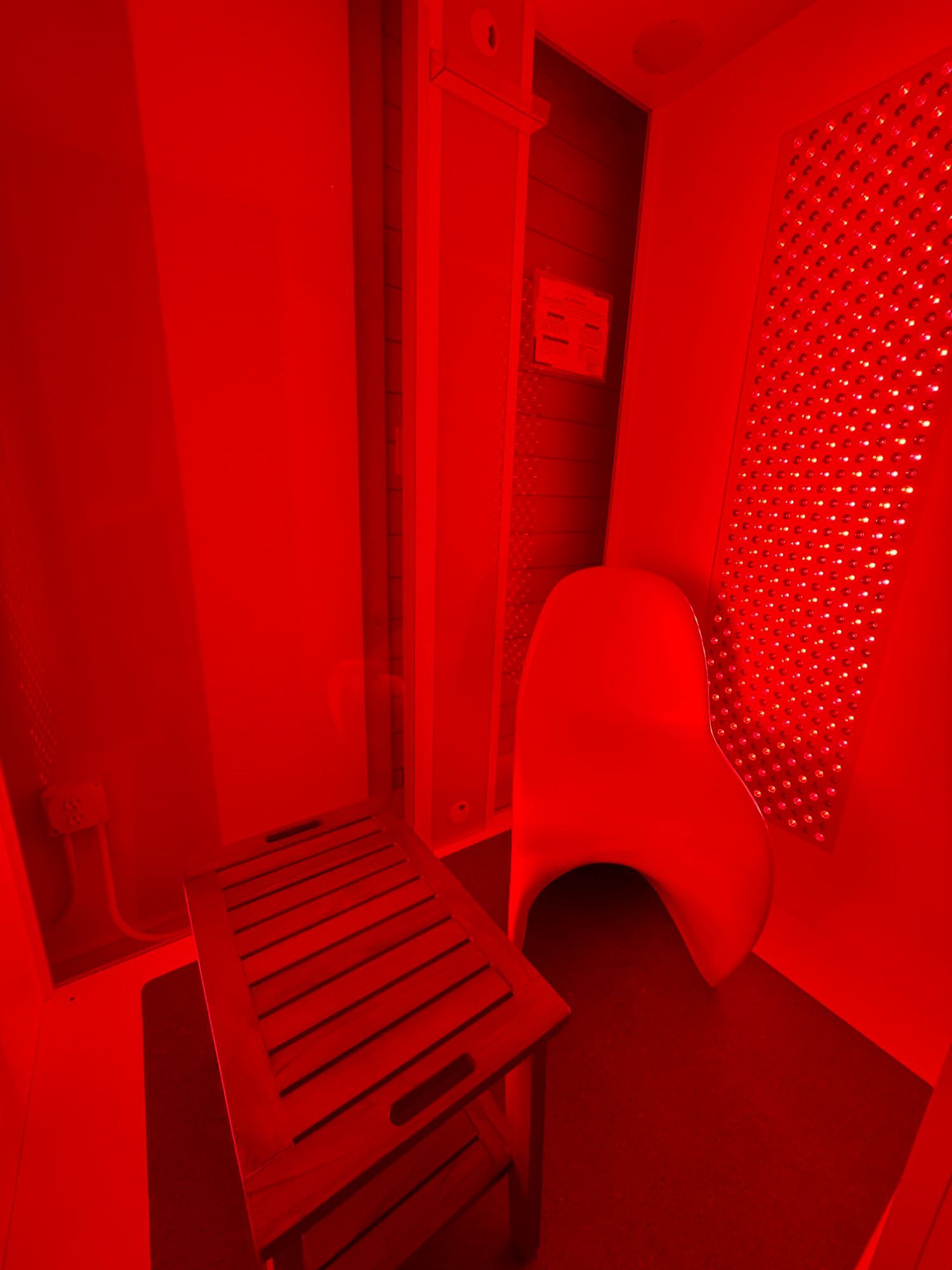
Red light therapy (also called photobiomodulation) is probably the most flexible modality when it comes to frequency. Because it does not create significant thermal or cold stress on the body, the recovery demand between sessions is minimal.
General wellness: 3 to 5 sessions per week for 10 to 15 minutes per target area.
Targeting specific concerns (joint pain, skin health, muscle recovery): Daily use is generally considered safe. A review published in the Journal of Photochemistry and Photobiology found that many clinical studies use daily protocols for 4 to 12 weeks with no reported adverse effects.
Maintenance: 2 to 3 sessions per week once you have seen the results you are looking for.
The catch with red light therapy is that results tend to be cumulative and gradual. Missing a session here and there will not set you back, but irregular use over weeks means you probably will not notice much difference. Consistency at a moderate frequency beats sporadic intense use every time.
We broke down the research and the limitations in our deep dive on whether red light therapy actually works.
Salt Therapy Frequency: A Different Category
Salt therapy (halotherapy) works differently from the other recovery modalities at our Tampa Heights facility on Oak Avenue. It is a respiratory and skin-focused treatment rather than a musculoskeletal recovery tool, so the frequency recommendations come from a different evidence base.
Respiratory support (allergies, sinus issues, mild asthma): 2 to 3 sessions per week for the first 3 to 4 weeks, then 1 to 2 sessions per week for maintenance. A study in the International Journal of COPD found that consistent halotherapy sessions over several weeks showed improvements in respiratory symptoms.
General wellness and relaxation: 1 to 2 sessions per week.
During allergy season: Tampa's allergy seasons, especially oak pollen in spring and ragweed in fall, are when many of our clients increase their salt therapy frequency temporarily. The year-round humidity here does not help either.
Our salt therapy post covers how halotherapy fits into a respiratory wellness plan for Tampa residents dealing with seasonal allergies and breathing issues.
Building a Realistic Weekly Schedule
Here is the part where most wellness blogs give you a picture-perfect schedule that nobody actually follows. Instead, here are three realistic tiers based on how much time you can actually commit:
Tier 1: One to two visits per week (great starting point). Pick one or two modalities that match your biggest goal. If recovery from workouts is the priority, alternate between cold plunge and infrared sauna. If respiratory health is the focus, salt therapy plus red light is a solid combination. Once a week is still worth it, and you will see benefits over time.
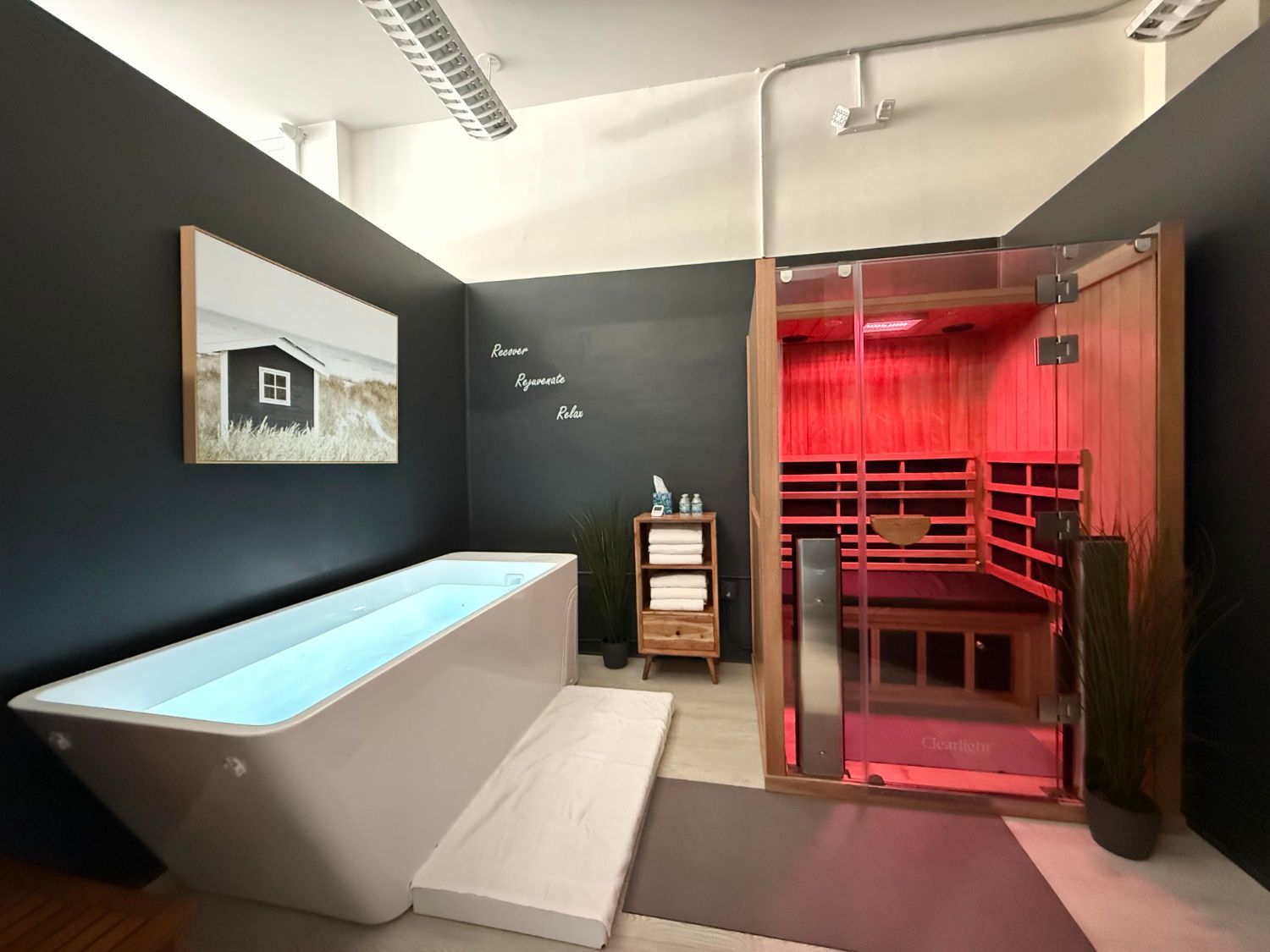
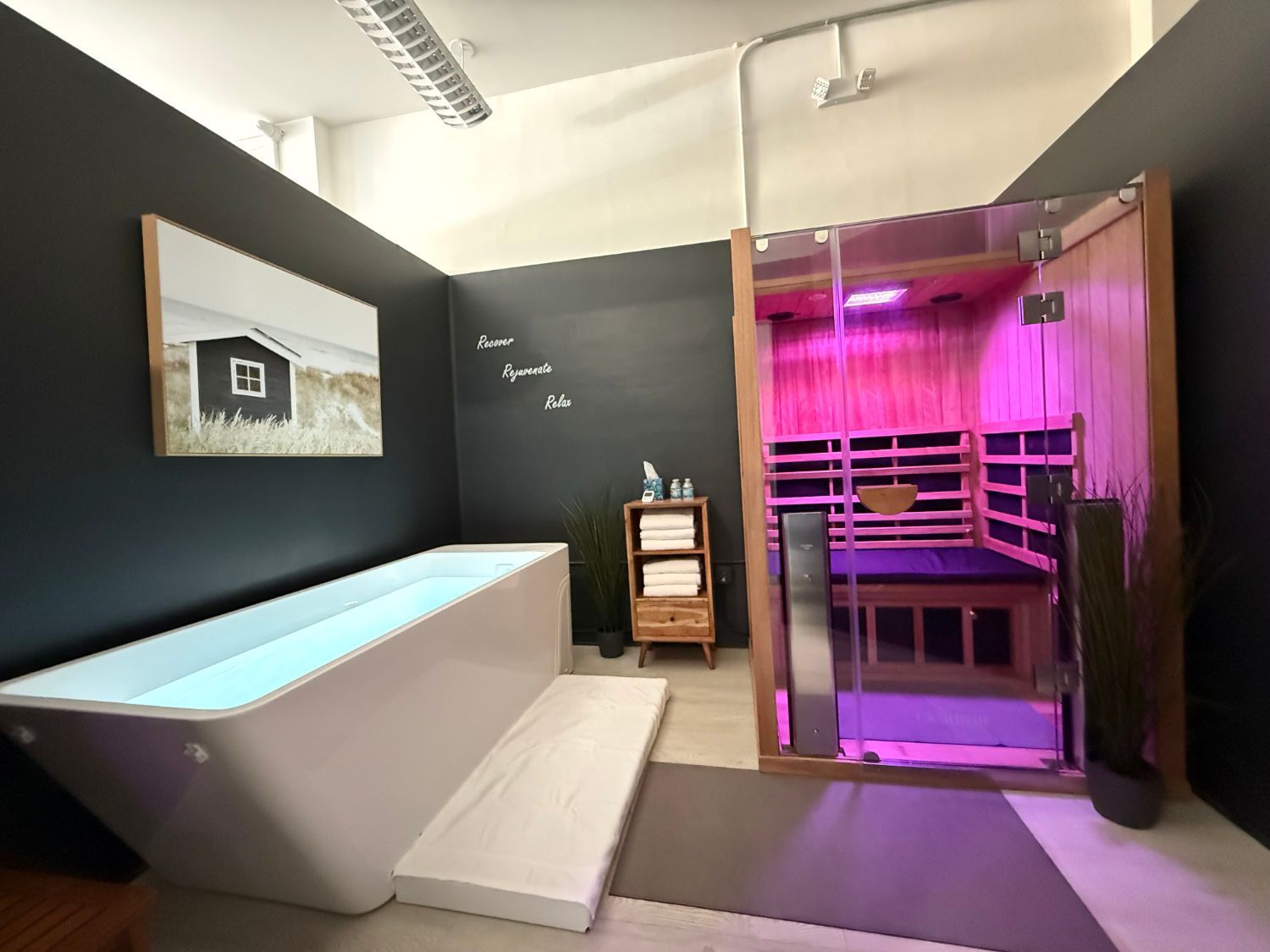
Tier 2: Three visits per week (solid routine). This is where you can start combining modalities in a single visit. A common pattern we see at Body Aligned: infrared sauna followed by cold plunge (contrast therapy) on one day, red light therapy on another, and a mix-and-match day based on how you feel. Our contrast therapy guide explains the hot-to-cold protocol in detail.
Tier 3: Four to five visits per week (dedicated routine). At this level, you are rotating through modalities and can follow something close to what we outlined in our recovery protocol stacking guide. Just make sure you are not forcing sessions when your body is telling you to rest.
For all three tiers, the most important thing is showing up consistently rather than doing marathon sessions sporadically.
Where the Research Still Has Gaps
We want to be straightforward about what the science does and does not tell us yet.
There are no large-scale studies that specifically test the optimal weekly frequency for combining cold plunge, infrared sauna, red light therapy, and salt therapy together. Most research examines each modality by itself, and the studies that do exist vary widely in protocol (temperature, duration, timing, and population).
The frequency recommendations in this post are based on the best available individual studies for each therapy, combined with what we have observed working with clients in Tampa Heights. Individual responses vary quite a bit. Some people feel great with daily cold plunging while others do better with twice a week.
If something is not working for you at a given frequency, the answer is usually to adjust rather than push through.
Frequently Asked Questions
Is it better to do recovery therapies in the morning or evening?
There is no definitive research saying one time of day is universally better. Cold plunging in the morning can feel energizing due to the norepinephrine release, while infrared sauna in the evening may support sleep through the post-session body temperature drop. Most clients at our Tampa Heights location find that the best time is simply the time they will actually show up consistently.
Can I do multiple recovery therapies in one visit?
Yes, and many people do. The most popular combination at Body Aligned is infrared sauna followed by cold plunge (contrast therapy). You can also add red light therapy before or after. A single visit combining two to three modalities can be done in about 45 to 60 minutes at 405 E. Oak Avenue. Just stay hydrated and pay attention to how your body responds.
How long before I notice results from a consistent schedule?
This varies by modality and by person. Cold plunge benefits like improved mood, alertness, and reduced soreness tend to be noticeable within the first few sessions. Infrared sauna and red light therapy benefits often take 2 to 4 weeks of consistent use to become apparent. Salt therapy for respiratory issues typically shows improvement after 6 to 10 sessions.
Should I take rest days from recovery therapies?
Rest days are not strictly necessary for gentler therapies like red light and salt therapy. For cold plunge and sauna, taking at least one or two days off per week is a reasonable approach, especially when you are starting out. Your body adapts to stress during rest, not during the stress itself.
What if I can only come once a week?
A single weekly session of any recovery modality is better than none, and you will still see some benefits over time. If you can only make it once, consider combining modalities in that visit. A sauna-to-cold-plunge contrast session followed by 10 minutes of red light therapy covers a lot of ground in about an hour.
Ready to Build Your Recovery Schedule?
If you are in the Tampa Heights area and want help figuring out the right frequency for your goals, stop by Body Aligned at 405 E. Oak Avenue. You can also book a session online to get started. We will help you put together a schedule that fits your life rather than an idealized plan that collects dust.