Post-Workout Recovery in Tampa: What Actually Helps (and What Is Just Hype)
You just finished a tough workout. Maybe it was legs at the gym, a long run through Bayshore, or a CrossFit class that left you questioning your life choices. Now what?
Most people grab a protein shake and call it good. But if you have been training consistently, you have probably noticed that what you do after your workout matters just as much as the workout itself. Soreness that lingers for days, joints that feel stiff, energy that tanks by mid-afternoon. These are all signs that your recovery is not keeping up with your training.
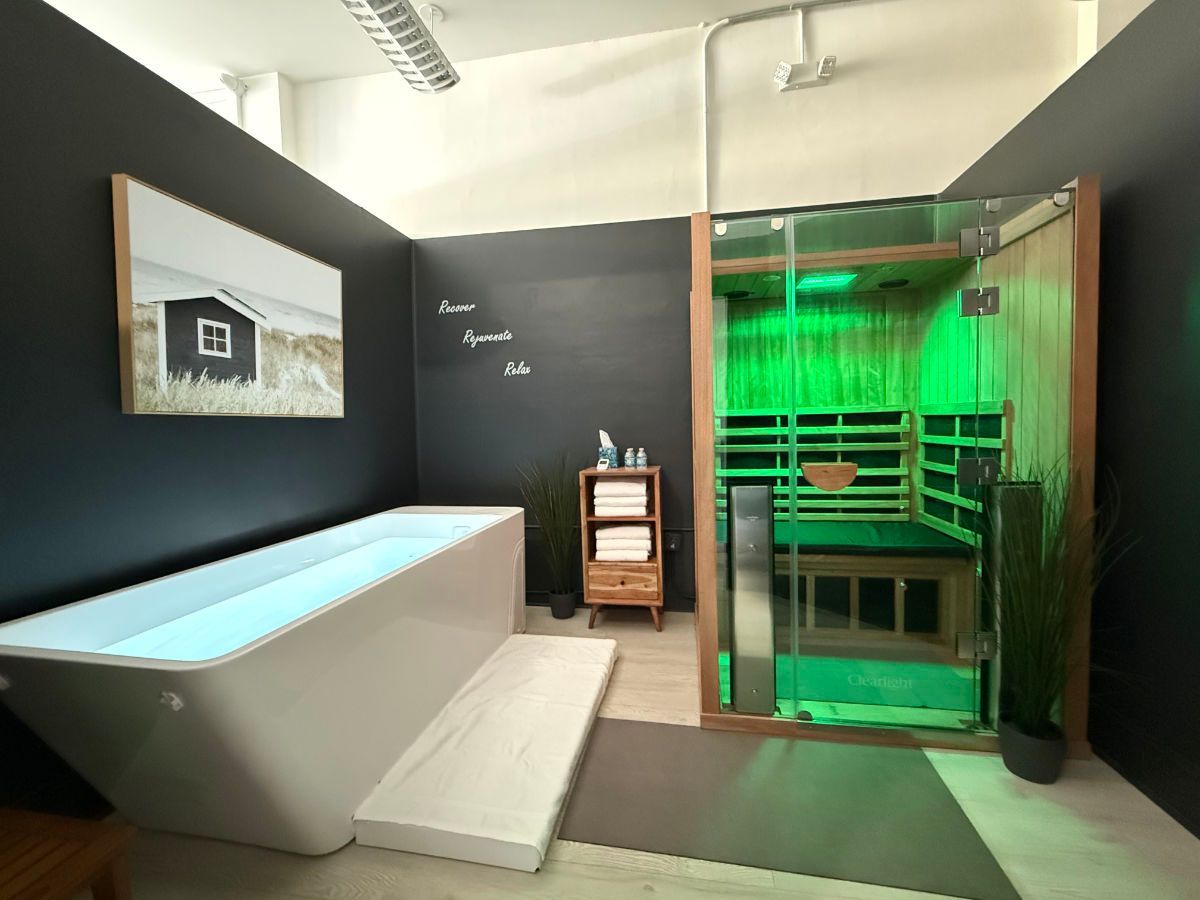
At Body Aligned's Recovery Room on 405 E. Oak Avenue in Tampa Heights, we see this all the time. People who train hard but do not recover well end up stuck on a plateau or, worse, injured. Here is what the research says about post-workout recovery, which methods actually have evidence behind them, and how to put together a routine that works.
Why Recovery Is Not Optional
This is not just wellness talk. The science is clear: your body does not get stronger during a workout. It gets stronger during recovery. According to the Cleveland Clinic, exercise creates controlled damage to muscle fibers. The repair process that follows is what builds strength, endurance, and resilience. If you cut that process short by training again before you have recovered, you get diminishing returns at best and overtraining injuries at worst.
The American College of Sports Medicine has consistently emphasized that recovery is a trainable variable, not just passive rest. Meaning the quality and type of recovery you do can directly impact how quickly you bounce back and how much you gain from each training session.
For people training in Tampa specifically, there is an additional factor: heat and humidity. Working out in Florida's climate puts extra stress on your body. You lose more fluids, your heart rate runs higher, and your muscles may take longer to recover compared to training in cooler environments. That makes intentional recovery even more relevant here.
Cold Plunge After a Workout: What the Research Shows
Cold water immersion is probably the most studied recovery method for athletes, and the evidence is genuinely encouraging. A meta-analysis published by the National Library of Medicine found that cold water immersion after exercise significantly reduced delayed onset muscle soreness (DOMS) compared to passive recovery.
The mechanism is straightforward. Cold water causes your blood vessels to constrict, which helps reduce swelling and inflammation in muscles that just took a beating. When you get out, blood flow increases as your body warms back up, helping flush metabolic waste from the tissues.
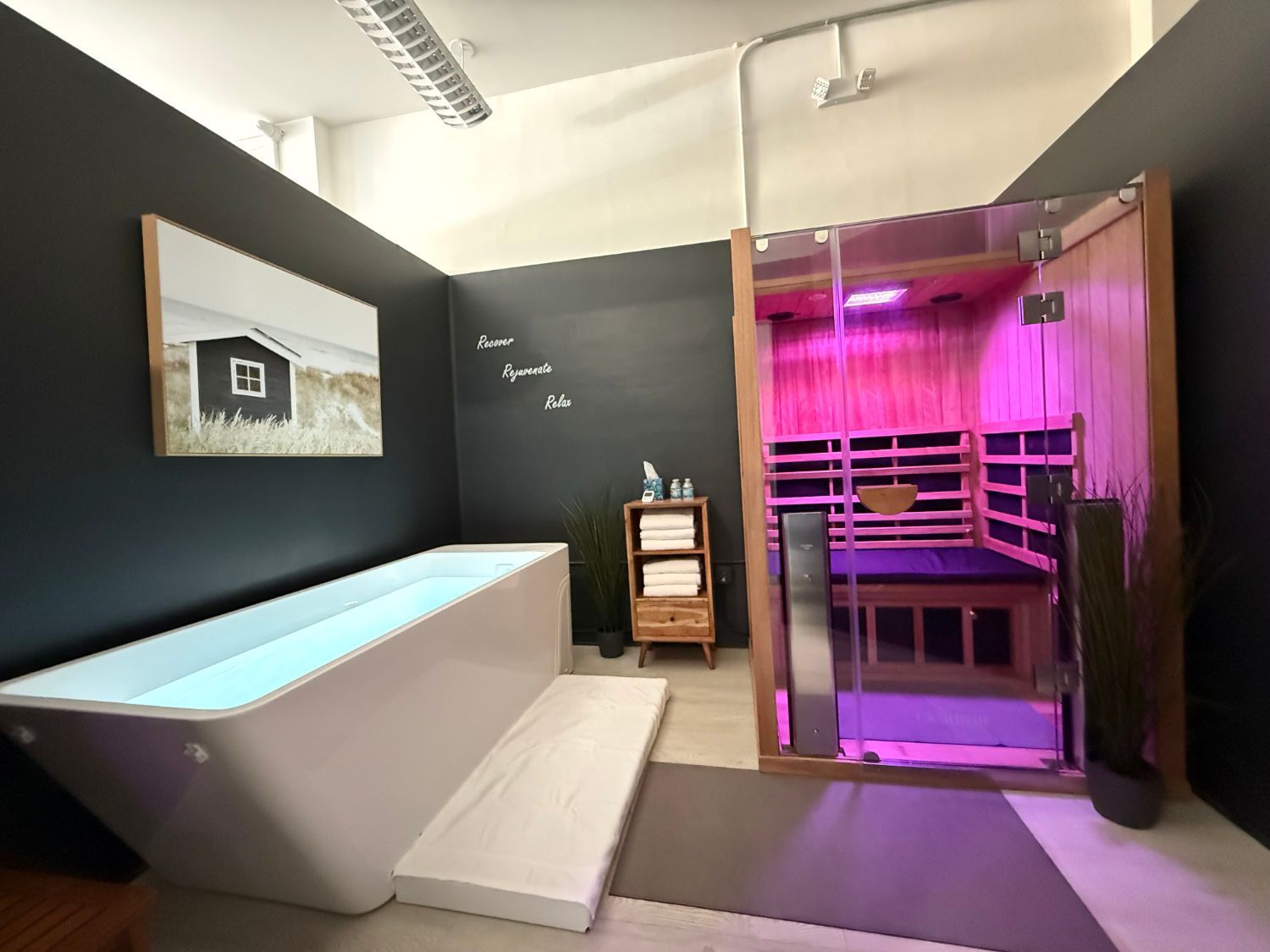
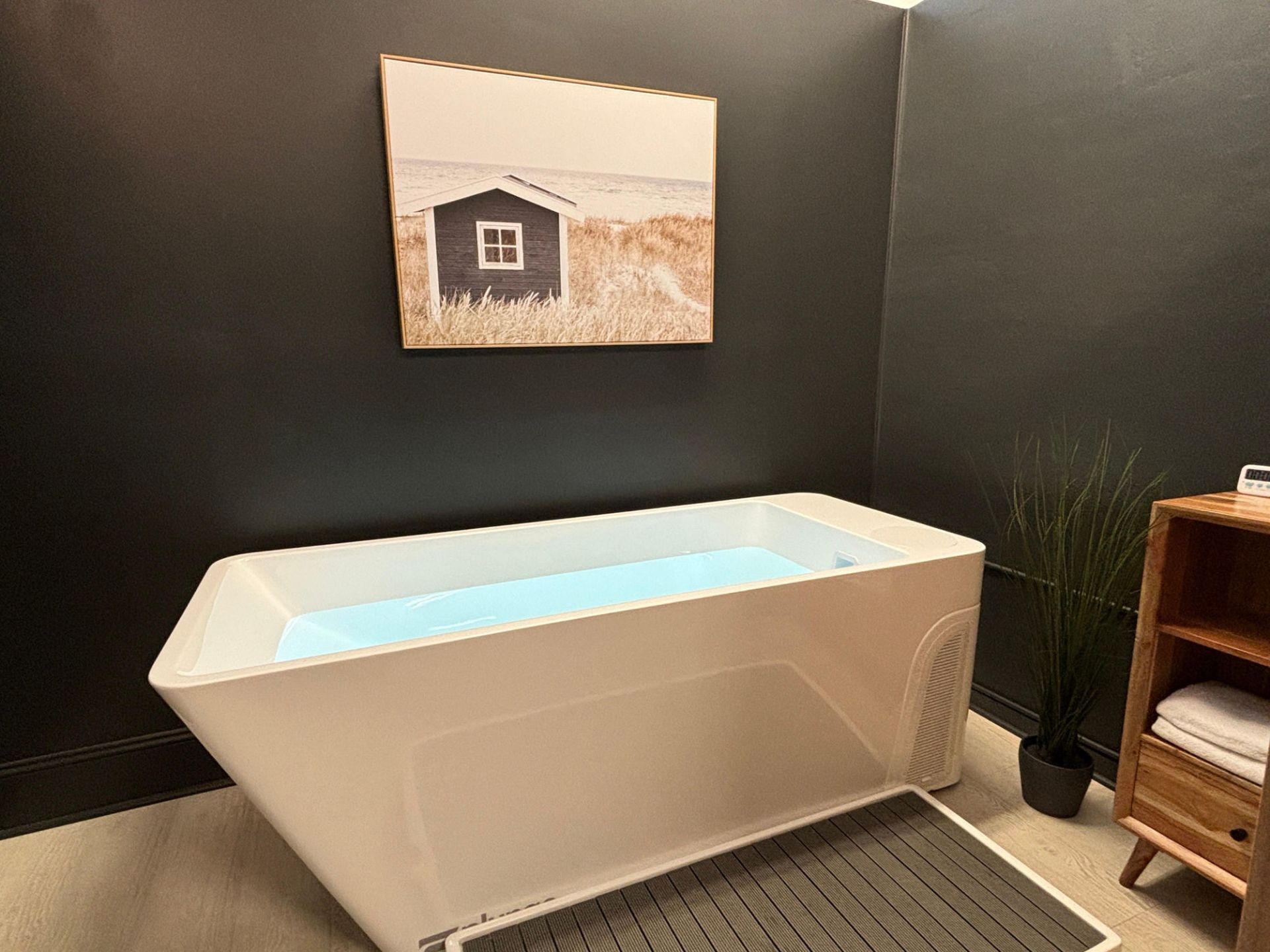
At Body Aligned, our cold plunge is kept at a consistent temperature, which matters more than most people realize. A cold shower varies in temperature, and your body adapts to it quickly. A cold plunge at a controlled temperature provides a more consistent stimulus.
Most people do 2 to 5 minutes after a workout. You do not need to stay in for 10 minutes to get benefits. If you are new to cold plunging, even 1 to 2 minutes is a solid starting point. We have a whole post on what to expect during your first cold plunge if you want the full rundown.
One important caveat: some recent research suggests that cold immersion immediately after strength training may blunt some of the muscle-building adaptation. If your primary goal is hypertrophy (building muscle size), you may want to wait a few hours after your strength workout before doing a cold plunge, or save it for cardio and conditioning days. The research is not definitive on this yet, but it is worth knowing.
Infrared Sauna for Post-Workout Recovery
Heat therapy after exercise works on a different principle than cold. While cold reduces inflammation, heat increases blood flow, helps relax tight muscles, and may support the body's natural repair processes.
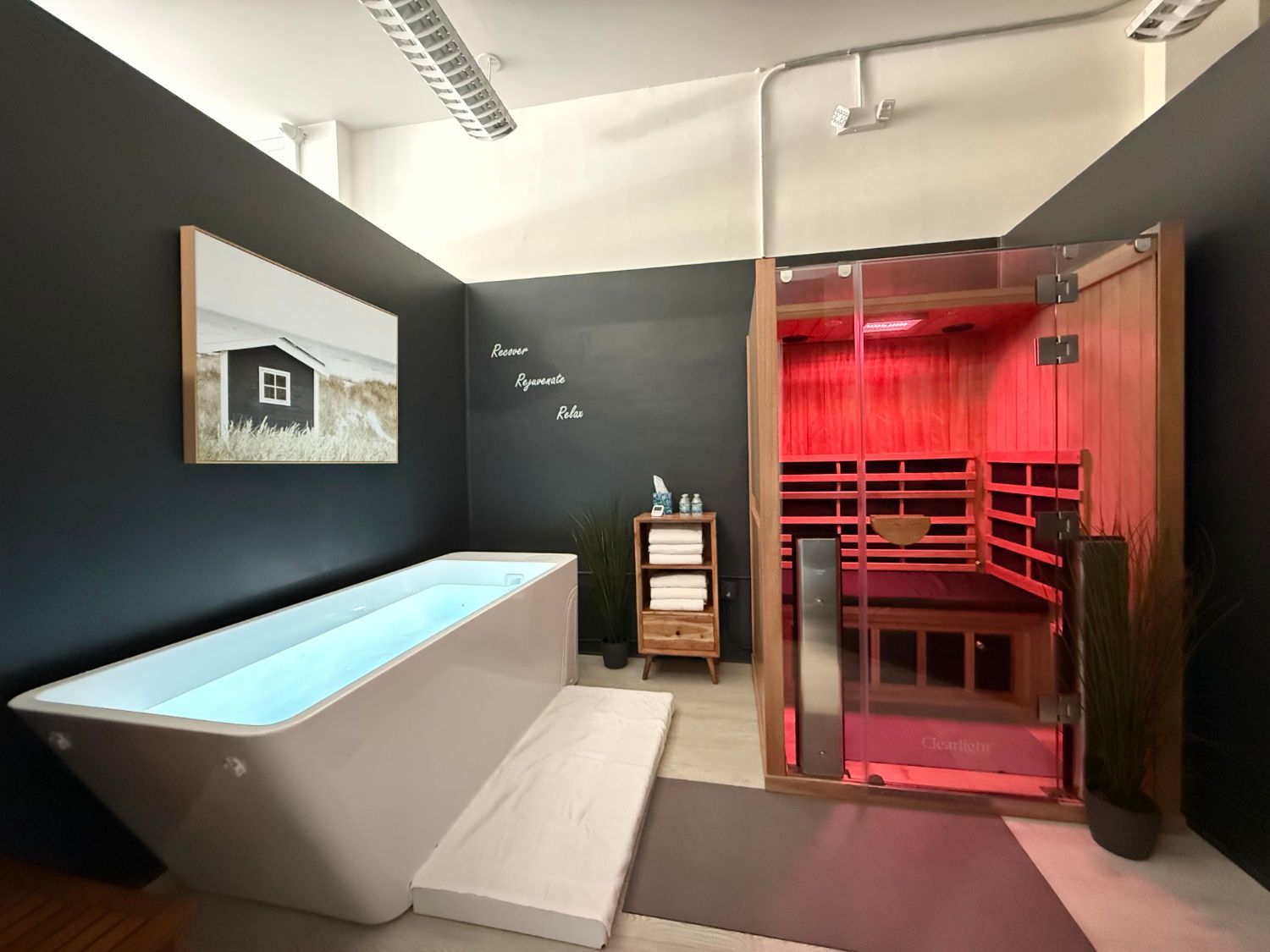
Our infrared sauna operates at 120 to 135 degrees Fahrenheit. Infrared saunas heat your body directly rather than heating the air around you, which means you get the benefits of heat therapy at a lower, more comfortable temperature than traditional saunas.
According to the Mayo Clinic, regular sauna use may help reduce muscle soreness, improve circulation, and support relaxation. For post-workout recovery specifically, the increased blood flow can help deliver nutrients to damaged muscle tissue and remove metabolic byproducts.
Many of our Tampa Heights clients use the infrared sauna on rest days or after lighter training sessions when they want to promote recovery without the intensity of a cold plunge. It is also a good option if you are dealing with chronic tightness or stiffness that does not seem to resolve on its own.
Red Light Therapy for Muscle Recovery
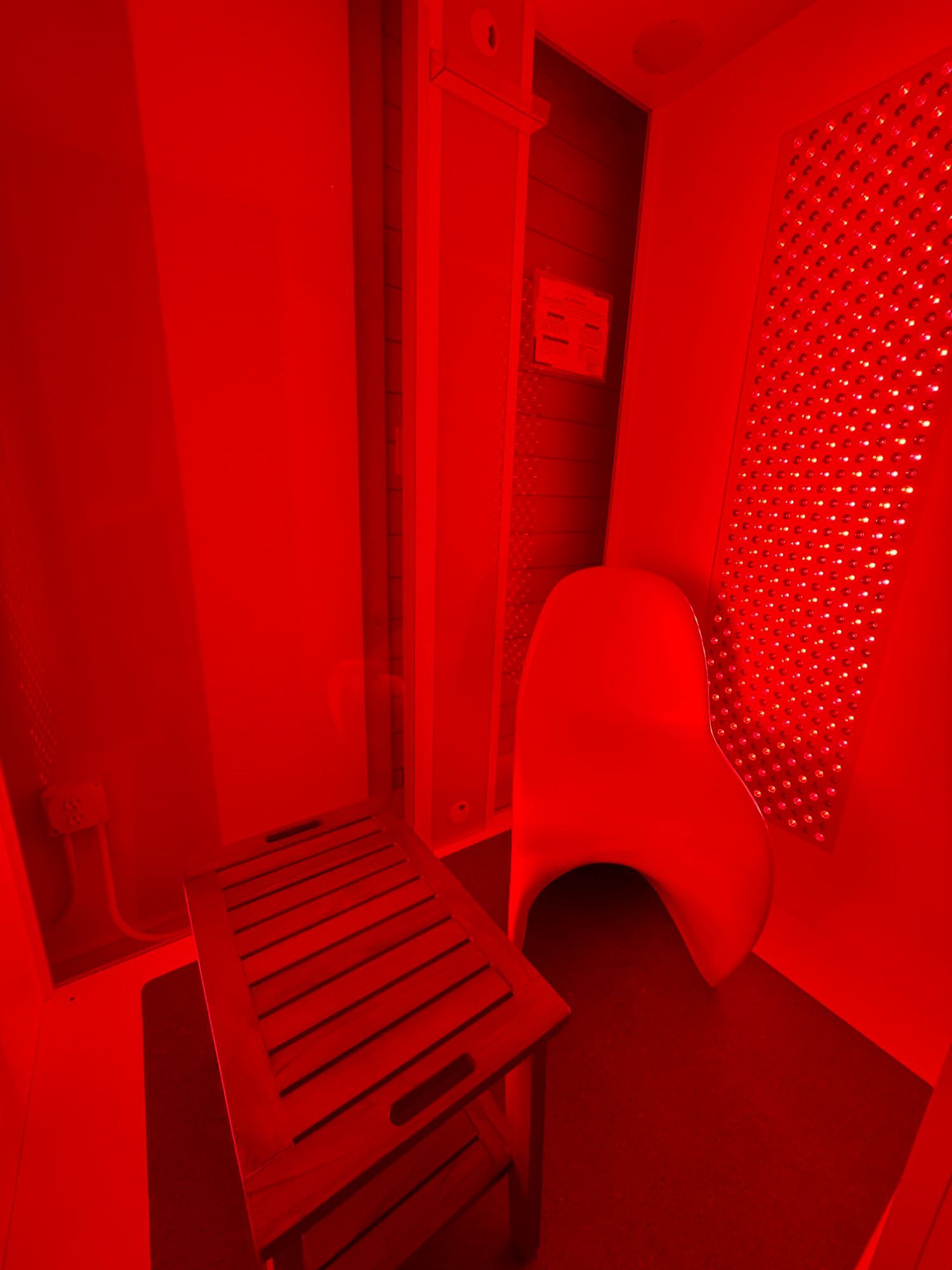
Red light therapy is newer to the recovery scene compared to heat and cold, but the research is catching up. According to the Cleveland Clinic, red and near-infrared wavelengths penetrate skin and are absorbed by mitochondria, increasing ATP (cellular energy) production. More cellular energy means your cells can repair and regenerate more efficiently.
For post-workout recovery, some studies have found that red light therapy may help reduce muscle soreness and support tissue repair when used consistently. It is not as immediately dramatic as a cold plunge (you will not feel a rush of endorphins), but the cellular-level effects build over time.
At Body Aligned, sessions run about 10 to 15 minutes. Some of our clients use red light therapy as a standalone post-workout recovery tool, while others add it to the end of a contrast therapy session (sauna followed by cold plunge) as a way to finish their recovery.
Combining Recovery Modalities: The Stack Approach
If you have the time, combining multiple recovery methods in a single visit is something many of our Tampa Heights regulars do. We wrote a full post on how to stack recovery therapies if you want the details, but here is the short version.
A common post-workout stack: 15 to 20 minutes in the infrared sauna, followed by 2 to 5 minutes in the cold plunge (that is contrast therapy), then 10 to 15 minutes of red light therapy. Total time is about 45 to 60 minutes.
Is this proven to be better than any single modality on its own? The research on combined protocols is still limited. But the individual mechanisms make sense together: heat to increase blood flow and relax muscles, cold to reduce inflammation, and light to support cellular repair. And many of our clients say the full stack leaves them feeling noticeably better than any single therapy alone.
We also offer salt therapy in our Recovery Room. It targets respiratory health rather than muscle recovery, but if you train outdoors in Tampa and deal with allergies or congestion, it can be a useful addition to your recovery visit.
The Honest Reality About Recovery
Here is what we are not going to tell you: that recovery therapies will magically erase a bad training program. If you are overtraining, under-sleeping, eating poorly, or ignoring pain signals, no amount of cold plunging or sauna time will fix that.
Recovery therapies work best as one piece of a bigger picture. Sleep is still the single most important recovery tool. Nutrition matters enormously. Hydration, especially in Tampa's heat, is non-negotiable. Stress management plays a role too.
What recovery therapies at Body Aligned can do is provide an additional layer of support that helps you bounce back faster between sessions. Think of it as recovery infrastructure. It does not replace the fundamentals, but it builds on top of them.
Building a Recovery Routine That Fits Your Life
Not everyone has time for a full recovery stack after every workout, and that is fine. Here are a few practical approaches based on what we see work for our Tampa Heights clients.
If you train 3 to 4 times per week, try adding one dedicated recovery session at the Recovery Room per week. Pick the day after your hardest training session. Even one session can make a noticeable difference in how you feel going into your next workout.
If you are training more seriously (5 to 6 days per week), two recovery sessions tend to be the sweet spot. Some people do a cold plunge after their hardest sessions and a sauna on rest days.
If you are dealing with a nagging injury or chronic soreness, more frequent visits may help, especially if you are combining modalities. Our team at 405 E. Oak Avenue can help you figure out what makes sense for your situation and budget.
The key is consistency over intensity. One recovery session per week for two months will do more for you than five sessions in one week followed by nothing.
Frequently Asked Questions
Should I do cold plunge or sauna first after a workout?
If you are doing both, most people start with the sauna and finish with the cold plunge. Warming up your muscles first and then cooling down helps create the contrast therapy vascular pumping effect that research supports for reducing inflammation. That said, some people prefer cold first and heat second, especially if they are primarily looking for the relaxation benefits of the sauna. Neither order is wrong, and you can experiment to see what your body responds to best.
Will cold plunging after a strength workout kill my gains?
This is a real question in the research right now. Some studies suggest that cold water immersion immediately after resistance training may slightly reduce the muscle-building response. The effect seems small, but if hypertrophy is your top priority, you might want to wait 2 to 4 hours after lifting before doing a cold plunge, or save cold plunges for your cardio and conditioning days. For general fitness and recovery, post-workout cold plunging still provides a net positive benefit for most people.
How soon after a workout should I start recovery?
For cold plunge specifically, within 30 to 60 minutes post-workout tends to be the window most supported by research for reducing soreness. For infrared sauna and red light therapy, the timing is more flexible. Same-day is ideal, but even next-day sessions provide recovery benefits. The most important thing is that you actually do it consistently, not that you hit a perfect timing window.
Can I use recovery therapies on rest days instead of workout days?
Absolutely. Many of our clients at Body Aligned do exactly this. Using the infrared sauna on a rest day is a great way to promote blood flow and relaxation without adding stress to your body. Red light therapy is equally effective on rest days. Cold plunges on rest days can help with general inflammation management. There is no rule that recovery has to happen immediately after a workout.
I am not an athlete. Is recovery therapy still worth it for me?
Yes. You do not need to be a competitive athlete to benefit from recovery therapy. Anyone who exercises regularly, has a physically demanding job, or just deals with the general aches of daily life can find value in these modalities. Many of our Tampa Heights clients are regular people who work out a few times a week and want to feel less sore and more mobile. You do not need to be training for a marathon to walk into our Recovery Room at 405 E. Oak Avenue.
What should I eat and drink around a recovery session?
Hydrate before you come in. This is especially important if you are doing the sauna, since you will sweat. Avoid a heavy meal right before your session, but a light snack an hour beforehand is fine. After your recovery session, focus on water or an electrolyte drink, plus a protein-rich meal within an hour or two. The same basic post-workout nutrition advice applies: hydrate, get protein, eat enough.
Ready to Make Recovery Part of Your Routine?
If you are training hard in Tampa and want to recover smarter, you can book time at Body Aligned's Recovery Room in Tampa Heights. We are at 405 E. Oak Avenue, and our cold plunge, infrared sauna, red light therapy, salt therapy, and contrast therapy are all in the same space.
Whether you want to try one recovery method or build a full post-workout stack, our team can help you figure out what works for your training and your goals.