Red Light Therapy: Does It Actually Work? What the Research Shows
You have probably seen red light therapy marketed as a fix for everything from wrinkles to chronic pain to hair loss. The claims can sound too good to be true, and honestly, some of them are. But the therapy itself is not snake oil. There is real science behind it, and there are also real limitations that most wellness websites will not tell you about.
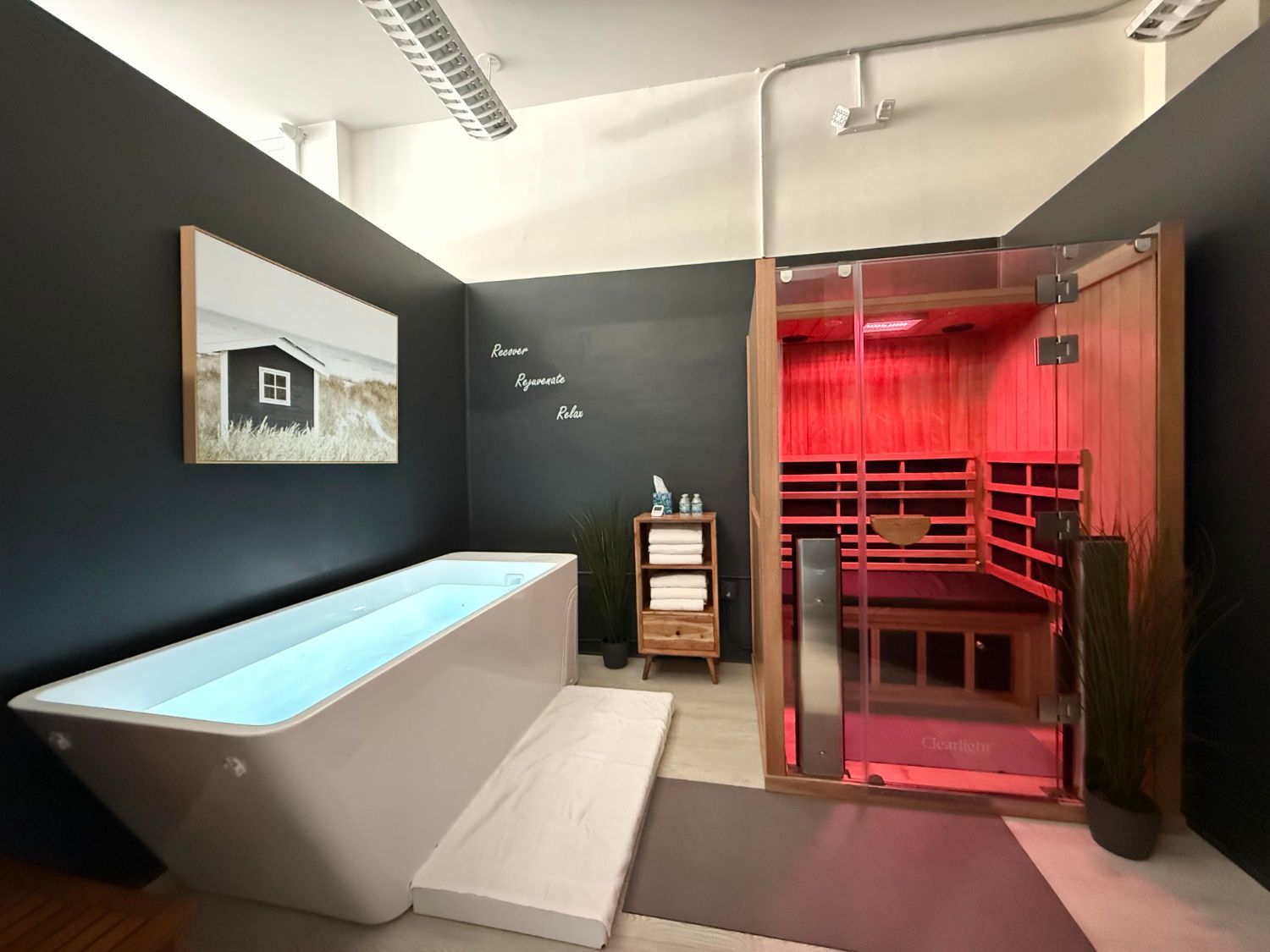
At Body Aligned's Recovery Room on 405 E. Oak Avenue in Tampa Heights, we offer red light therapy alongside our other recovery services. But before you book a session, let us walk you through what the research actually supports, where the evidence gets thin, and what a session looks like in practice.
How Red Light Therapy Works (The Simple Version)
Red light therapy uses specific wavelengths of red and near-infrared light, typically between 630 and 880 nanometers, to penetrate your skin and reach the cells underneath. According to the Cleveland Clinic, these wavelengths are absorbed by mitochondria, the part of your cells responsible for producing energy.
When mitochondria absorb this light, they ramp up production of adenosine triphosphate (ATP), which is essentially cellular fuel. More ATP means your cells have more energy for repair, regeneration, and fighting inflammation.
That is the core mechanism. It is not magic. It is photobiology, and it has been studied since the 1960s when researchers first noticed that certain light wavelengths could stimulate cell growth.
The important thing to understand is that red light therapy works at a cellular level. You will not feel much during a session beyond mild warmth, but the activity happening beneath your skin is measurable.
What the Research Actually Supports
Here is where we get honest about what the science says and what it does not.
The strongest evidence for red light therapy falls into a few categories. A review published by the National Institutes of Health found that red and near-infrared light therapy showed significant benefits for skin rejuvenation, wound healing, and reducing inflammation.
For skin health specifically, multiple studies have shown that red light therapy can stimulate collagen production and improve skin texture over time. A study in the journal Photomedicine and Laser Surgery found measurable improvements in skin complexion and collagen density after 30 sessions of red light therapy.
For pain and inflammation, the evidence is also encouraging. The Cleveland Clinic notes that research supports red light therapy for conditions like joint pain, muscle soreness, and certain types of inflammation. Athletes and physical therapy patients have been using it as a recovery tool for years.
For wound healing, the research is arguably the most established. Hospitals have used red and near-infrared light therapy to help with post-surgical healing and chronic wound management.
Where things get shakier is with claims about significant weight loss, dramatic hair regrowth, or curing chronic diseases. Some preliminary studies show promise in these areas, but the evidence is nowhere near as strong as it is for skin, pain, and healing.
What Red Light Therapy Will Not Do
We think this section matters just as much as the benefits list, because unrealistic expectations lead to disappointment.
Red light therapy will not cause meaningful weight loss on its own. It will not eliminate deep wrinkles overnight. It is not a replacement for medical treatment if you have a serious health condition. And one session will not produce dramatic results.
The Mayo Clinic recommends approaching light-based therapies with realistic expectations and ideally under the guidance of a healthcare provider, especially if you are managing a specific condition.
Most of the research showing positive results involved consistent treatment over weeks or months. If someone tells you that one red light therapy session will change your life, that is marketing, not science.
The Honest Research Gap
Here is something you will not find on most red light therapy websites: the research, while promising, has limitations.
Many studies use small sample sizes. Protocols vary widely between studies, making direct comparisons difficult. There is still no universal consensus on the ideal wavelength, duration, or frequency for different conditions. And most studies have been conducted over relatively short time periods.
Does that mean red light therapy does not work? No. It means the research is still catching up to the enthusiasm. The cellular mechanisms are well-understood, and the results for skin health, pain reduction, and wound healing are consistently positive across studies. But anyone telling you the science is completely settled on every claimed benefit is overselling it.
We would rather you walk into our Recovery Room at 405 E. Oak Avenue with accurate expectations than have you feel let down after a few sessions.
What a Red Light Therapy Session Looks Like at Body Aligned
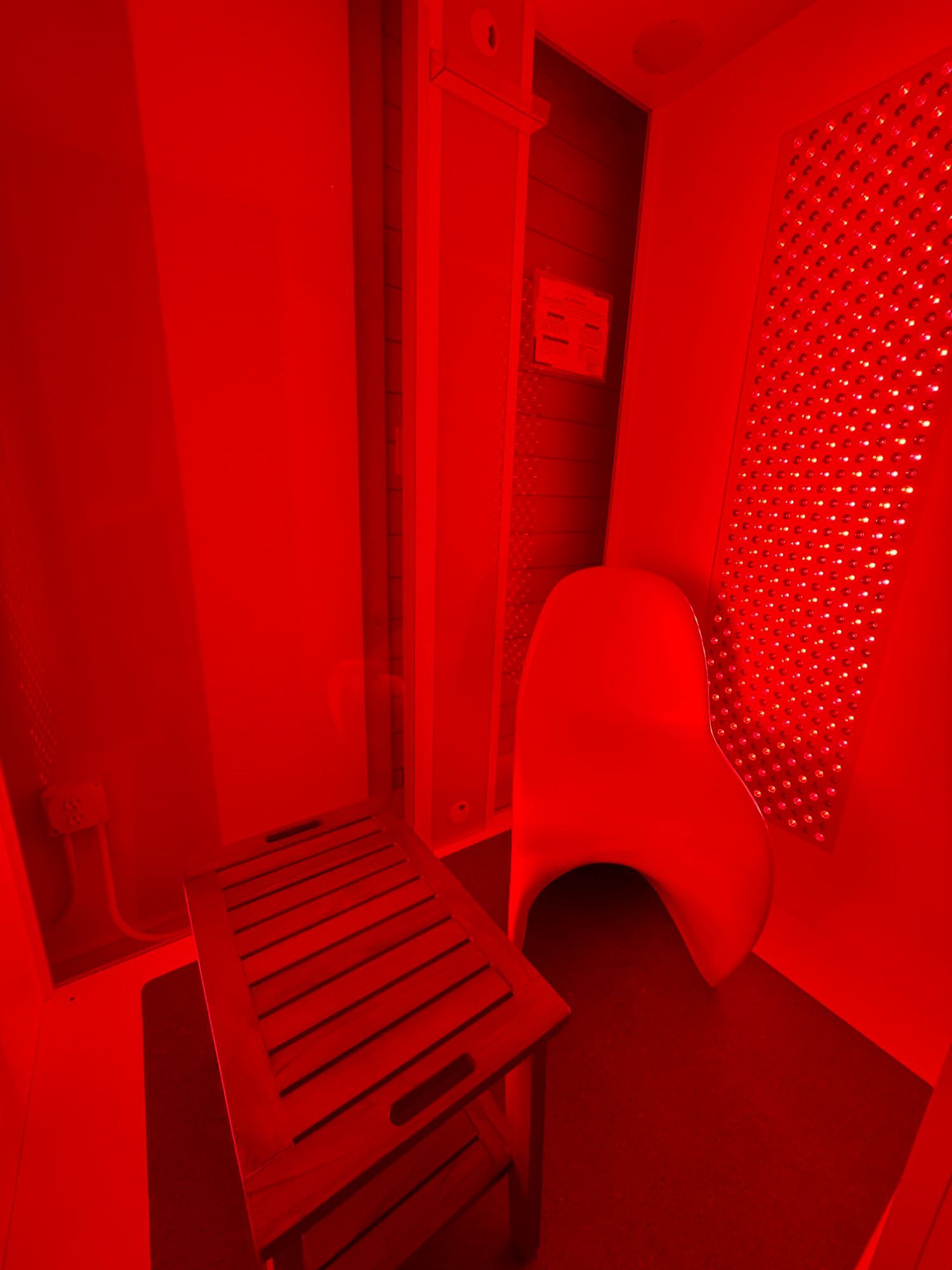
Our Recovery Room in Tampa Heights features the HaloRed device, which delivers red and near-infrared wavelengths at clinically studied intensities. Here is what a session actually involves.
You will check in and head to the Recovery Room. Sessions run about 10 to 20 minutes depending on your goals. You will stand or sit near the red light panels wearing minimal clothing so more of your skin is exposed to the light. We provide eye protection since you should not stare directly into the panels.
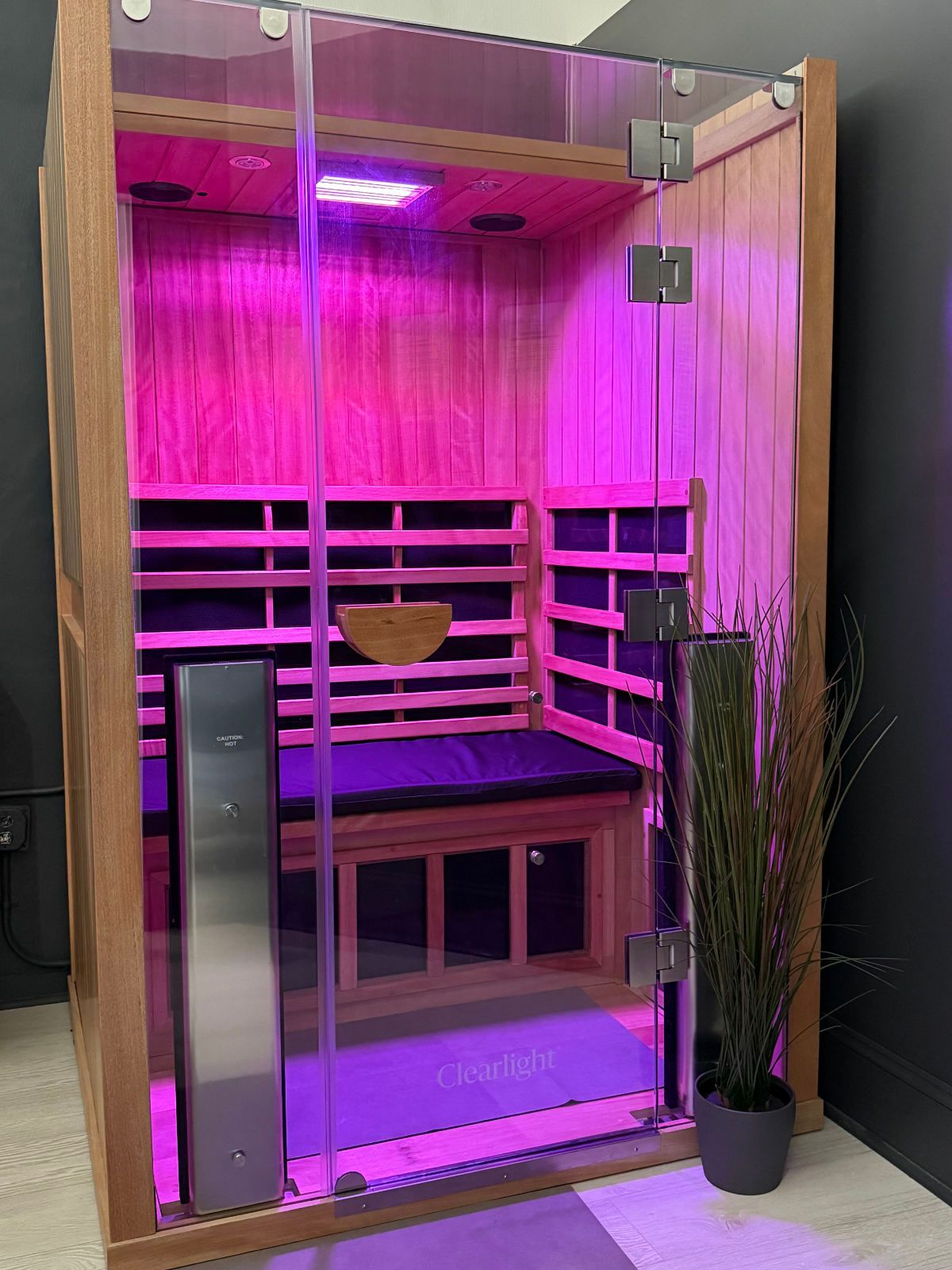
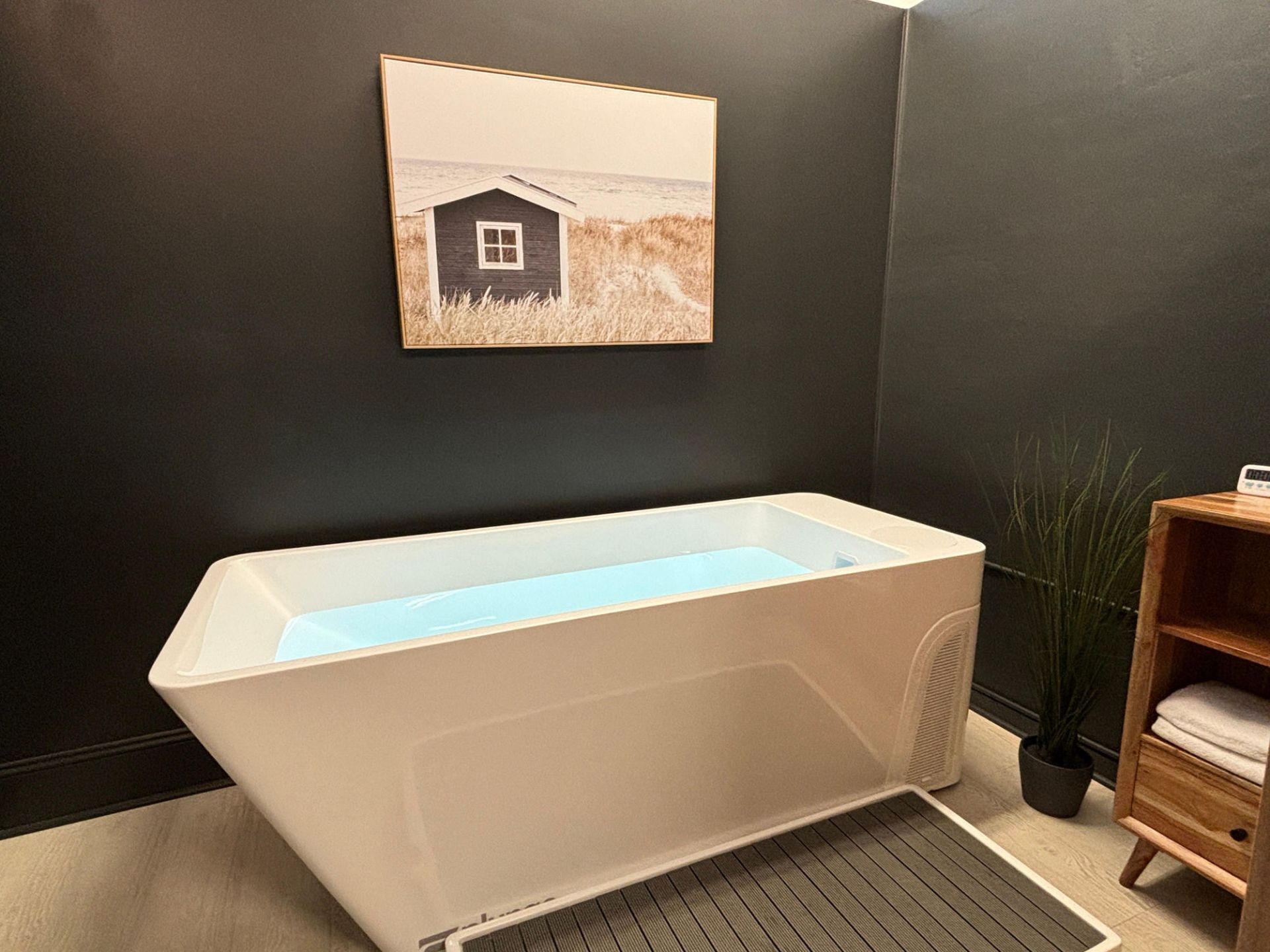
The experience itself is low-key. You will feel gentle warmth but nothing intense. There is no UV radiation involved, so this is not a tanning bed and there is no risk of sunburn. Most people find the sessions relaxing, and some of our Tampa Heights regulars pair red light therapy with a cold plunge session or time in the infrared sauna as part of a full recovery routine.
If you have been reading about contrast therapy, adding red light before or after a hot-cold cycle is something several of our clients do regularly.
How Many Sessions Before You See Results?
This depends on what you are trying to address. Based on the available research and what we see with our clients:
For skin improvements like texture and tone, most people start noticing changes after about 8 to 12 sessions done 2 to 3 times per week. That is roughly a month of consistent use.
For muscle recovery and soreness, some people feel a difference after just a few sessions, especially when combined with other recovery methods like our cold plunge or infrared sauna.
For more stubborn concerns like joint pain or inflammation, a longer commitment of 8 to 12 weeks with regular sessions tends to produce the most noticeable results.
The key word in all of this is consistency. Sporadic sessions are unlikely to produce the results that clinical studies have shown with regular protocols.
Combining Red Light Therapy with Other Recovery Services
One advantage of doing red light therapy at Body Aligned instead of buying a home device is access to complementary recovery tools in the same space.
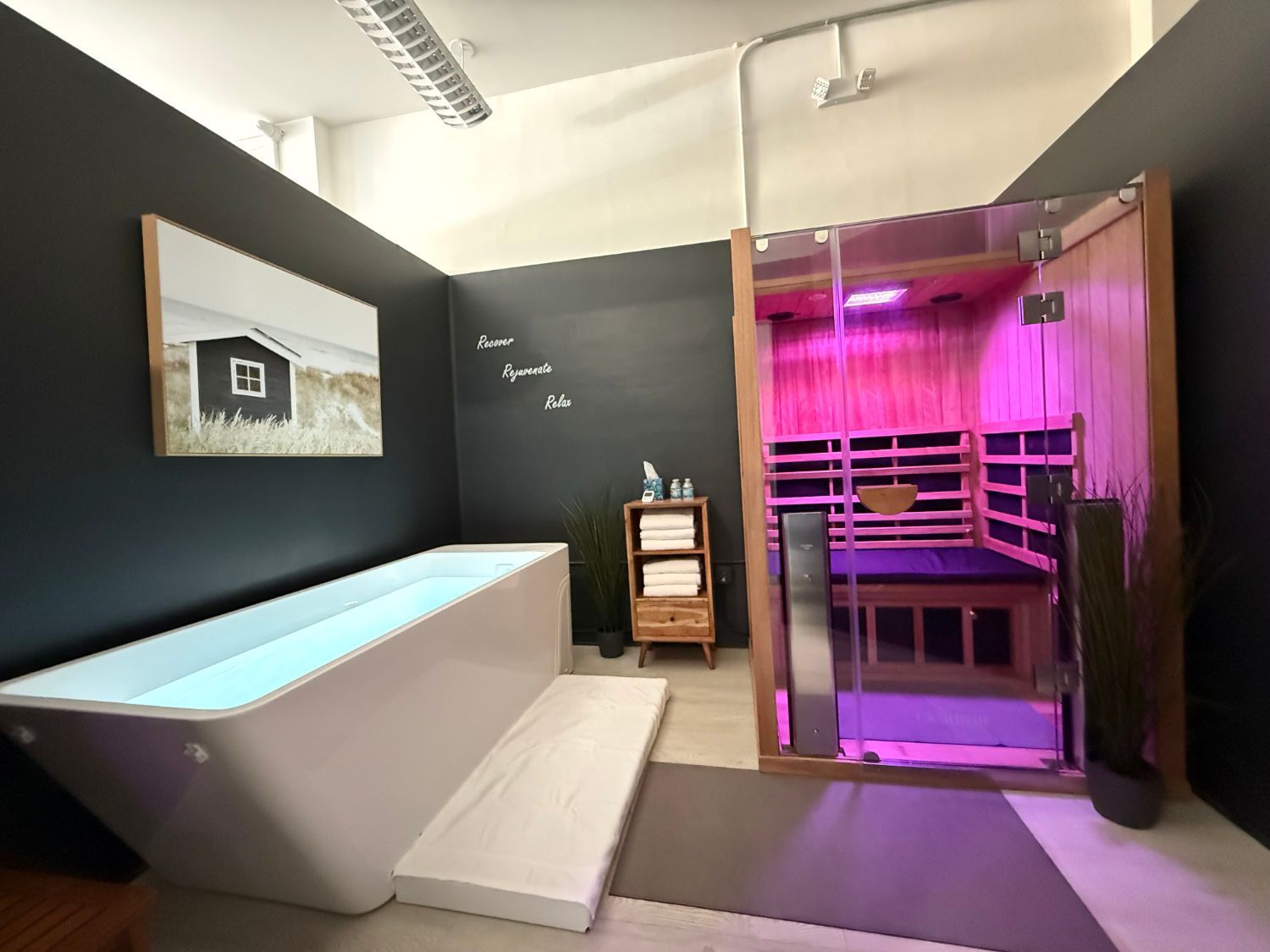
Our Recovery Room also offers cold plunge pools, infrared sauna, contrast therapy, and salt therapy. Many of our Tampa Heights clients build a recovery stack that might look something like: 15 minutes in the infrared sauna, followed by a cold plunge, then 10 to 15 minutes of red light therapy.
There is some early research suggesting that combining modalities may enhance overall recovery benefits, though this area needs more study. At the very least, having everything in one location makes it practical to try different combinations and find what works for your body.
One combination worth highlighting specifically: red light therapy and salt therapy work together more often than most people expect. At Body Aligned, the salt therapy booth is a separate space from the private room where the cold plunge and infrared sauna are located. This means salt therapy can run at the same time as red light therapy -- and in practice, that is exactly what happens in the vast majority of sessions. Many clients who book red light therapy end up doing salt therapy simultaneously, and the combination tends to amplify the overall wellness benefits of both. Standalone salt sessions are available, but the natural pairing happens given how the Recovery Room is set up.
Frequently Asked Questions
Is red light therapy the same as a tanning bed?
No, and this is an important distinction. Tanning beds emit ultraviolet (UV) radiation, which can damage skin and increase cancer risk. Red light therapy uses completely different wavelengths (red and near-infrared) that do not contain UV radiation. You will not get a tan, and you will not get a sunburn. The Cleveland Clinic confirms that red light therapy does not carry the same risks as UV-based treatments.
Can I do red light therapy if I am taking medications?
Most medications are fine, but some can make your skin more sensitive to light. These include certain antibiotics like tetracycline, topical retinoids, and some anti-inflammatory drugs. If you are on any photosensitizing medications, check with your doctor before starting sessions. When you visit Body Aligned in Tampa Heights, let our team know about any medications so we can adjust your session if needed.
How does red light therapy compare to infrared saunas?
They work differently. Red light therapy targets cells directly with specific light wavelengths to boost cellular energy and repair. Infrared saunas use infrared heat to raise your body temperature and promote sweating. Think of red light as a cellular-level treatment and infrared sauna as a whole-body heat therapy. We offer both in our Recovery Room, and many clients use them together. You can read more in our post on infrared sauna vs. traditional sauna.
Is one red light therapy session enough to feel a difference?
Honestly, probably not for most goals. While some people report feeling more relaxed or having reduced soreness after a single session, the research-backed benefits for skin health, pain reduction, and inflammation require consistent sessions over several weeks. We recommend committing to at least 8 to 12 sessions before evaluating your results.
Can I combine red light therapy with cold plunge or contrast therapy?
Absolutely. Many of our clients at Body Aligned do exactly this. A common routine is infrared sauna followed by cold plunge (that is contrast therapy) and then red light therapy to finish. There is no research suggesting these modalities interfere with each other, and some early studies suggest combining recovery methods may enhance overall benefits. Our Recovery Room on 405 E. Oak Avenue in Tampa Heights has everything in one space to make this easy.
Is red light therapy safe during pregnancy?
There is limited research on red light therapy specifically during pregnancy. While no harmful effects have been documented, we recommend talking to your OB-GYN before starting any new wellness treatment during pregnancy. Your doctor can give you personalized guidance based on your specific situation.
Ready to Try It?
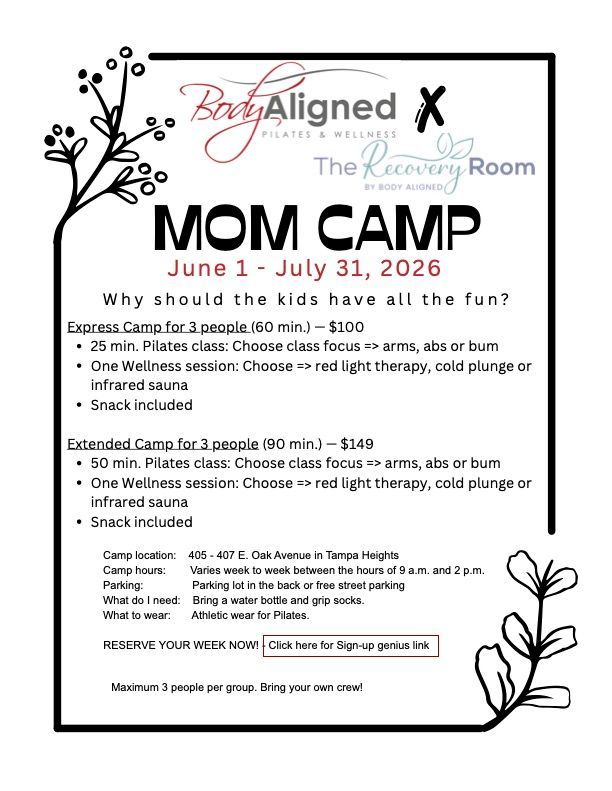
If you want to see what red light therapy feels like for yourself, you can book a session at Body Aligned's Recovery Room in Tampa Heights. We are at 405 E. Oak Avenue, and you do not need any prior experience with recovery therapies to get started.
Whether you come for just red light or want to combine it with cold plunge, infrared sauna, or salt therapy, our team can help you figure out a routine that makes sense for your goals.