Your First Cold Plunge in Tampa: What to Expect (From Someone Who Was Nervous Too)
If you're reading this, you've probably been going back and forth on trying a cold plunge. Maybe you've seen it all over social media, or a friend at the gym won't stop talking about it, or you just want something that helps with recovery after training in Tampa's heat. Either way, you've got questions — and honestly, a little hesitation is normal.
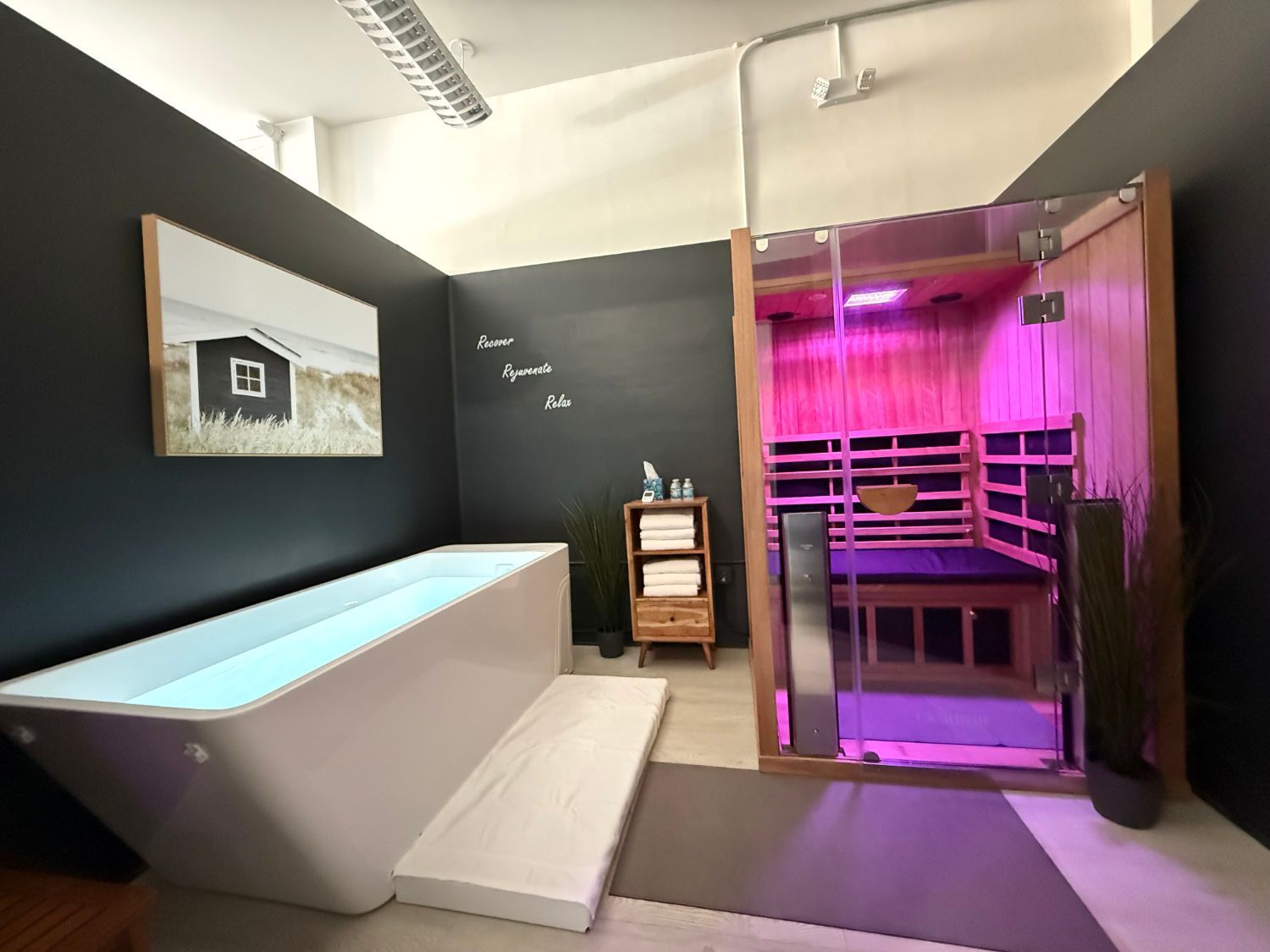
Here's what actually happens when you show up for your first cold plunge at Body Aligned's Recovery Room in Tampa Heights, what the research says about the benefits, and who should probably skip it.
Why Cold Plunging Makes Sense in Tampa
Tampa's heat and humidity aren't just uncomfortable — they create real recovery challenges. When you're training, running, or even just living your life in 90-degree weather, your body works overtime to cool itself down. That means more inflammation, slower recovery, and more fatigue.
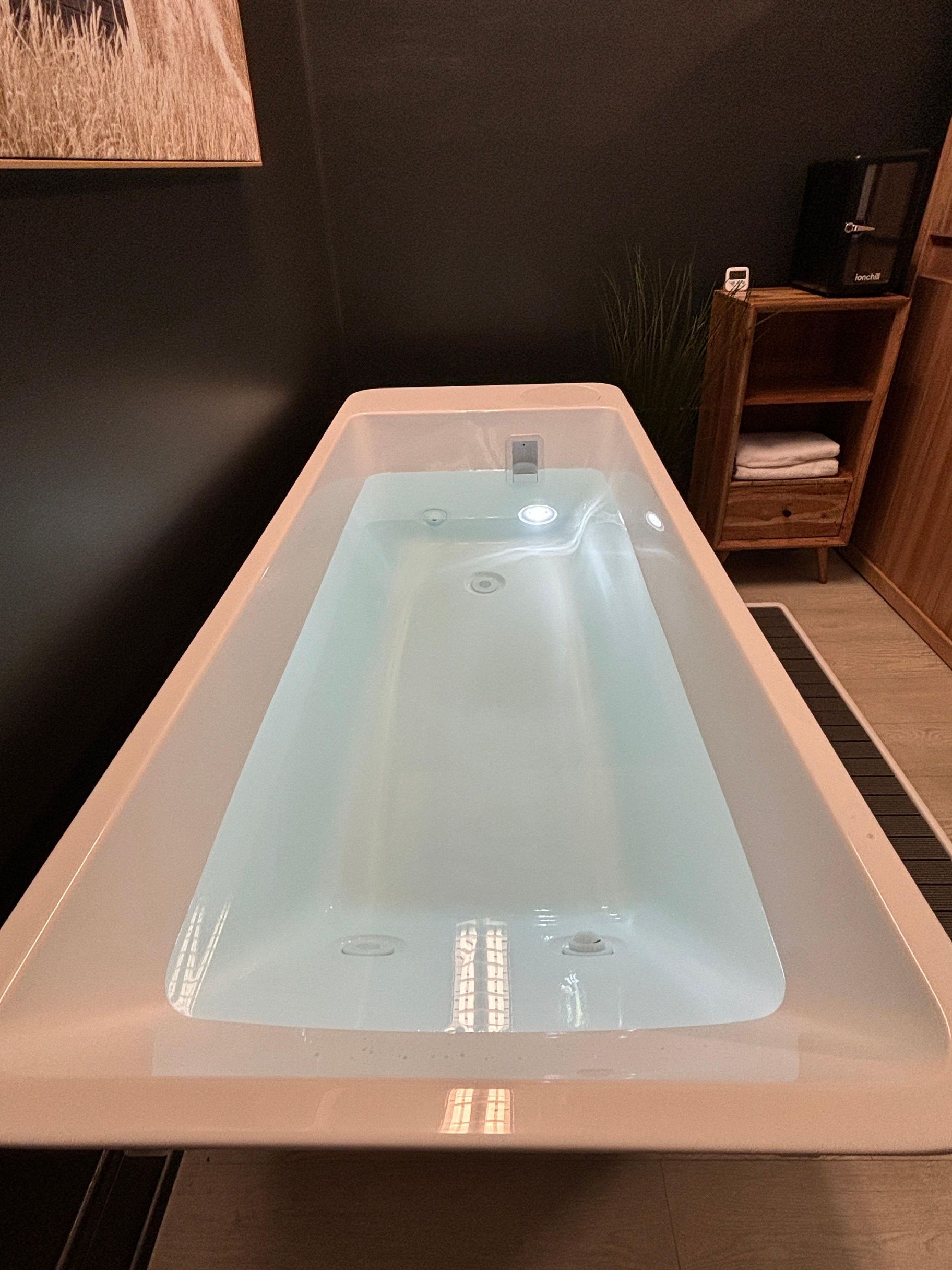
Cold water immersion flips that script. The temperature contrast between Tampa's heat and a 45-50°F plunge amplifies the circulatory response that makes cold therapy effective. Your blood vessels constrict during the cold exposure and then dilate when you warm up, creating a natural pumping effect that helps flush metabolic waste from your muscles.
It's not just a trend here — it makes physiological sense for anyone dealing with our climate.
What Actually Happens During a Cold Plunge Session
Let's walk through it step by step, because knowing what to expect takes most of the anxiety out of it.
Before you get in: When you arrive at the Recovery Room at 405 E. Oak Avenue in Tampa Heights, we'll check in with you about any health concerns and walk you through some breathing techniques. This isn't just a formality — controlled breathing is genuinely the most important tool you have in the cold. Slow, steady exhales activate your parasympathetic nervous system and help override your body's initial panic response.
The first 30 seconds: This is the hardest part, full stop. Your skin hits 45-50°F water and your body screams "get out." Your breathing wants to go shallow and fast. This is where the breathing practice pays off. Focus on long exhales. The intense sting starts to fade after about 30 seconds as your skin acclimates.
Minutes 1-2: Your body starts to settle. The sharp cold becomes more of a deep, buzzing pressure. Many people describe this as the moment it shifts from uncomfortable to manageable — even oddly calming. For your first session, 1-2 minutes is the sweet spot. There's no trophy for staying in longer.
After you get out: This is when the magic happens. You'll feel a rush of alertness, a tingling warmth spreading through your body, and what most people describe as a "buzz" or natural high. That's norepinephrine — a neurotransmitter that surges during cold exposure. We'll give you towels and space to warm up naturally. Most people are grinning by this point.
The whole visit, including check-in and warm-up time, takes about 30 minutes.
What the Research Actually Says About Cold Plunge Benefits
Here's where we want to be straight with you, because there's a lot of hype out there and you deserve honest answers.
What has solid research behind it:
The Cleveland Clinic reports that cold water immersion can reduce muscle soreness and inflammation after exercise — this is one of the most well-supported benefits. Athletes have used ice baths for decades for exactly this reason, and the research backs it up.
Cold exposure also triggers a significant release of norepinephrine, which improves alertness, focus, and mood. A study cited by the Mayo Clinic found that cold water immersion after exercise helped reduce perceived muscle soreness compared to passive recovery.
What's promising but still being studied:
Claims about boosted immunity, increased metabolism through brown fat activation, and long-term mental health benefits are promising but need more research. We won't tell you cold plunging will cure anything — but the recovery and mood benefits are real and well-documented enough that major medical institutions take them seriously.
The bottom line: Cold plunging isn't a miracle, but for exercise recovery, reduced soreness, and a natural mood boost, the evidence is genuinely solid.
Who Should Skip Cold Plunging (Please Read This)
This section matters. Cold plunging involves a real physiological stress response, and it's not appropriate for everyone.
The American Heart Association has noted that sudden cold water immersion can spike blood pressure and heart rate. If you have any of the following, talk to your doctor before trying a cold plunge:
- Cardiovascular conditions — heart disease, uncontrolled high blood pressure, history of stroke or heart attack
- Raynaud's disease — cold exposure can trigger painful episodes
- Epilepsy — the shock response could be a concern
- Pregnancy — the physiological stress isn't recommended
- Severe respiratory conditions — cold can temporarily constrict airways
We ask about your health history when you visit the Recovery Room, and we may recommend checking with your physician first. We'd rather turn someone away for a day than put them at risk. That said, for the vast majority of healthy adults, cold plunging is safe when done properly and supervised.
Tips to Make Your First Cold Plunge Better
After working with hundreds of first-timers at our Tampa Heights location, here's what actually helps:
- Hydrate before you come. Dehydration plus cold stress is a bad combo, especially in Tampa's heat. Drink water throughout the day before your session.
- Eat something light 1-2 hours before. Not a huge meal (digestion redirects blood flow), but don't come on an empty stomach either.
- Practice your breathing before you get in. Slow inhale through the nose, long exhale through the mouth. Do this for 60 seconds before entering. It's not woo-woo — it genuinely helps your nervous system prepare.
- Don't set a time goal your first session. Forget the 3-minute or 5-minute challenges you saw on Instagram. Start with what feels manageable. Even 30-60 seconds counts.
- Focus on your exhale, not the cold. When you're in the water, your brain wants to focus on how cold it is. Redirect that attention to your breathing. Long exhales are your best friend.
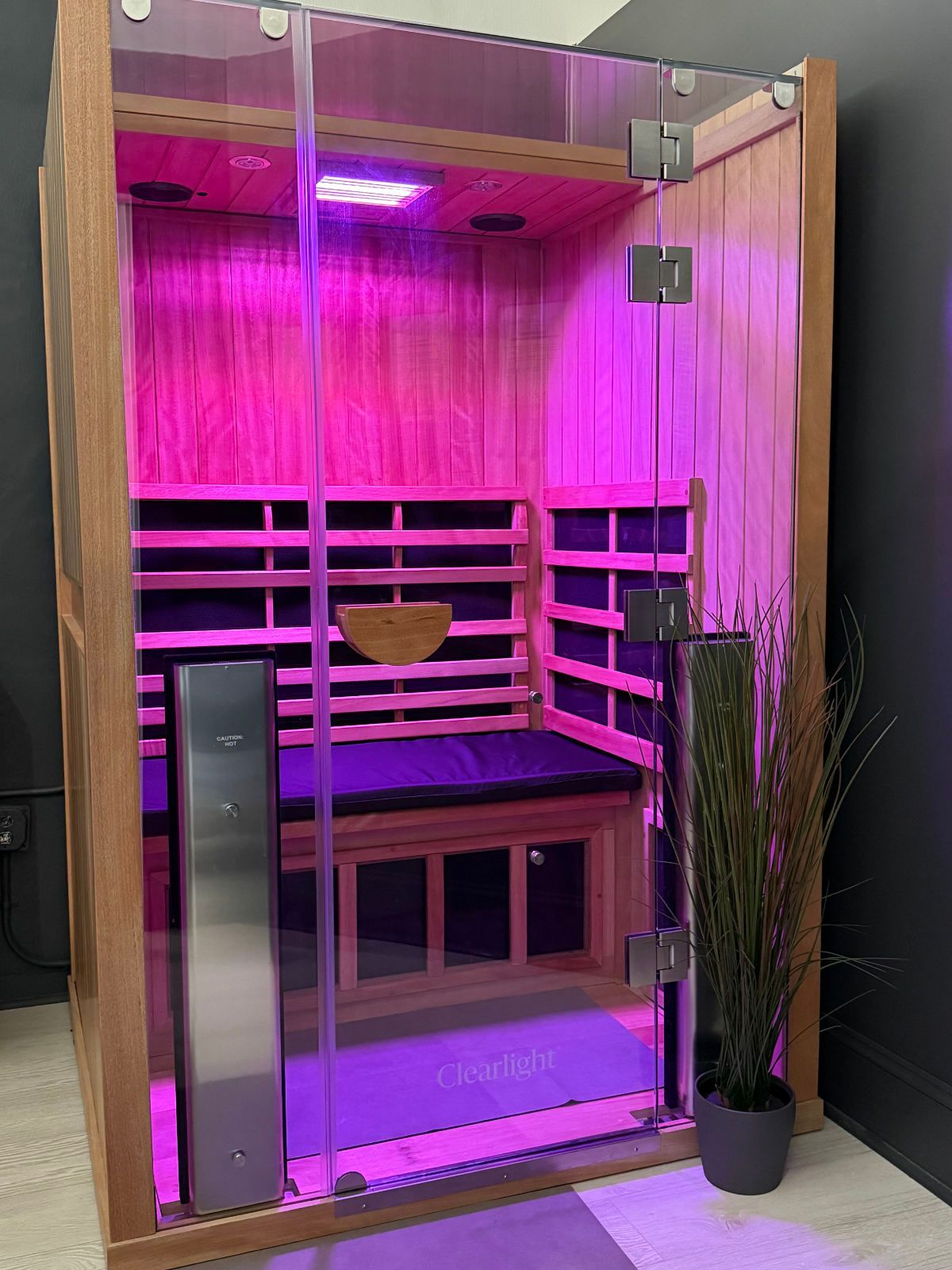
- Warm up naturally afterward. Skip the hot shower immediately after — let your body warm itself up. This extends the circulatory benefits. If you want to maximize recovery, follow up with our infrared sauna for a full contrast therapy experience.
- Come back within a week. The first time is always the hardest. By session two or three, your body starts to adapt and the experience shifts from "surviving it" to genuinely enjoying it.
Why Cold Plunging Is Even Better Combined With Other Recovery Modalities
One thing most cold plunge articles won't tell you: the benefits multiply when you combine cold therapy with other recovery methods. That's part of why we built the Recovery Room at Body Aligned to include multiple modalities under one roof.
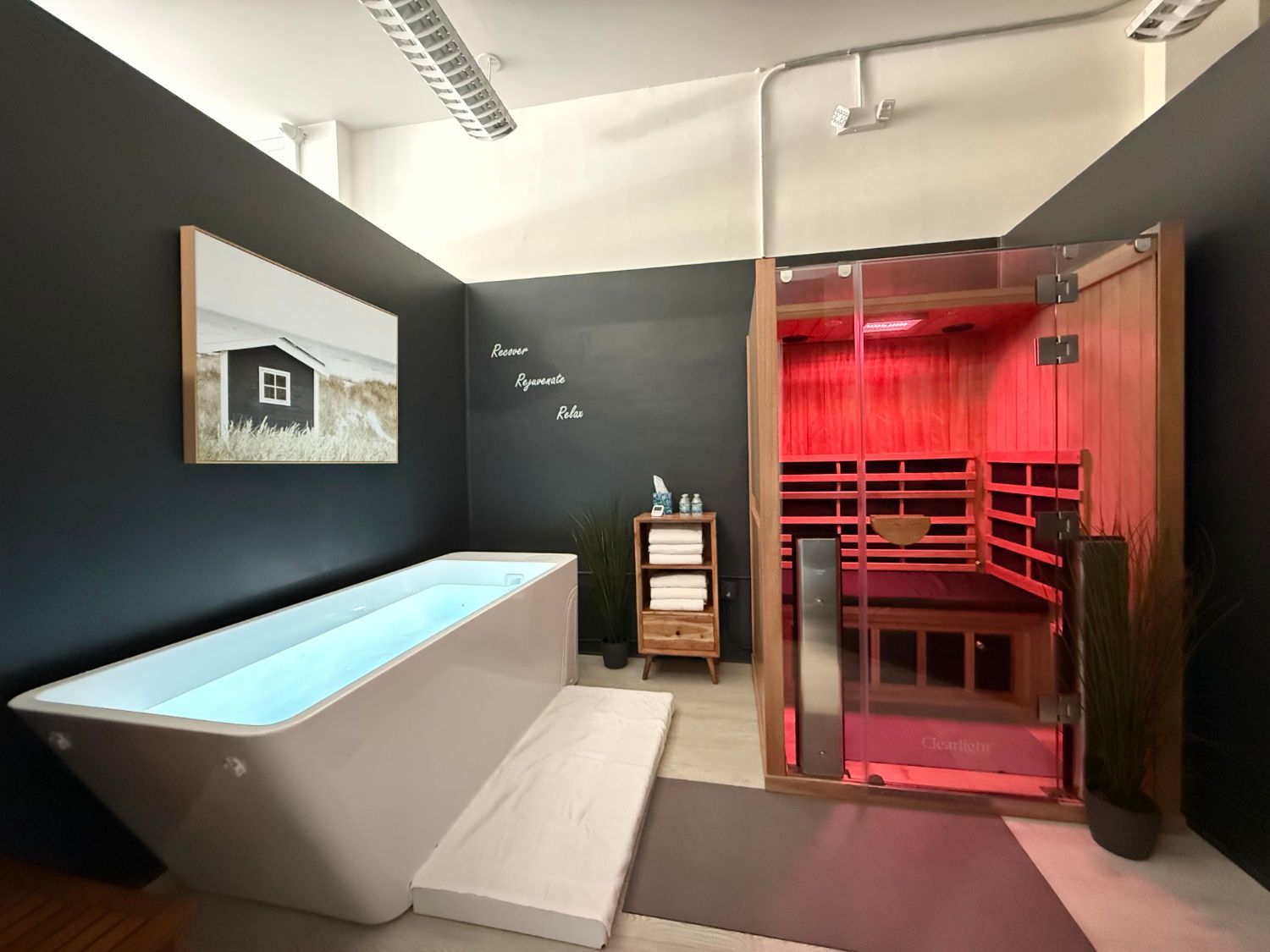
Cold plunge + infrared sauna = contrast therapy. Alternating between hot and cold drives the vascular pumping effect we mentioned earlier. The sauna opens your blood vessels, the cold plunge constricts them, and the cycle flushes your system more effectively than either one alone. It's one of the most requested combinations at our Tampa Heights studio.
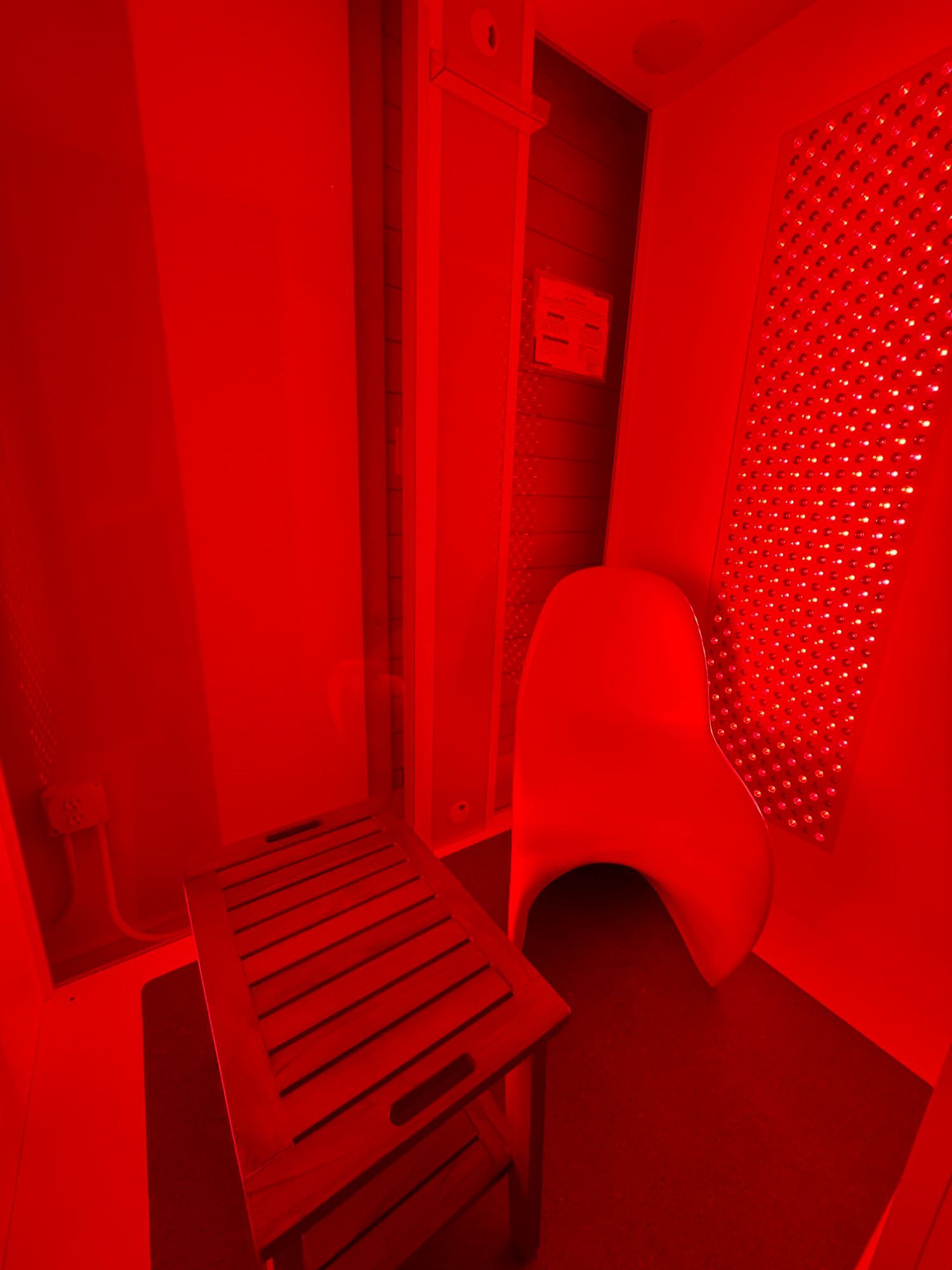
Cold plunge + red light therapy. Red light therapy targets inflammation at the cellular level, while cold plunging reduces it through circulatory response. Using both in the same session attacks recovery from two different angles — especially useful if you're dealing with chronic soreness or joint pain.
We also offer salt therapy for respiratory health, which pairs well with recovery sessions if you're dealing with Tampa's allergy season on top of your training.
Frequently Asked Questions
How many sessions before I notice a difference?
Most people feel something after their very first session — the norepinephrine boost creates a noticeable mood and energy lift that lasts several hours. For exercise recovery benefits (less soreness, faster bounce-back), you'll typically notice a difference after 3-5 consistent sessions. Research suggests 2-3 sessions per week is the sweet spot for most people. We have a more detailed breakdown in our upcoming post on [how often to do each recovery service].
What should I wear?
A swimsuit — whatever you're comfortable in. We have a private changing area at the Recovery Room. We provide towels, so you don't need to bring your own. Leave jewelry and watches in your locker since metal gets uncomfortable fast in cold water. Some people bring flip-flops for walking around before and after.
Should I eat before my cold plunge?
A light snack 1-2 hours before is ideal. Your body redirects blood flow during cold immersion, so a heavy meal can cause nausea. But don't come fasting either — if you tend to feel lightheaded when hungry, eat something small. After your session, eat whenever you're ready. There's no specific waiting period.
Will my hair get wet?
It depends on how deep you go. Most people submerge to the neck, which means yes — your hair will get wet. If you'd rather keep it dry, we have hair ties available and you can keep your head above water. Some people bring a swim cap. There's no rule that says you have to dunk your head.
Can I take photos or video?
We'd honestly recommend putting your phone away and staying present — the breathing and mental focus are a big part of what makes cold plunging effective. But if you want a photo for the 'gram, our team is happy to snap one before or after your session. The Recovery Room makes a pretty great backdrop.
Is it safe to cold plunge every day?
For most healthy adults, daily cold plunging is safe, but it's not necessarily better. Research suggests that doing it too frequently (especially right after strength training) may actually blunt some muscle-building adaptations. For most people, 2-3 times per week gives you the recovery and mood benefits without overdoing it. We can help you figure out the right frequency based on your training schedule and goals.
Ready to Try It?
Your first cold plunge is the hardest one. After that, most people are surprised how quickly they start looking forward to it. If you're in Tampa and you've been curious, come check out the Recovery Room at Body Aligned — we're at 405 E. Oak Avenue in Tampa Heights , right in the heart of the neighborhood.
Book a cold plunge session or give us a call if you have questions. We'll walk you through everything and make sure your first experience is a good one.
Body Aligned's Recovery Room also offers infrared sauna, red light therapy, salt therapy, and contrast therapy — all in one location in Tampa Heights.