Salt Therapy for Allergies and Respiratory Health in Tampa
If you have lived in Tampa for any length of time, you know the allergy situation here is relentless. Between oak pollen in the spring, ragweed in the fall, and mold that thrives in our humidity basically year-round, a lot of people spend more time congested than not. Add in the occasional wildfire smoke drifting over from central Florida, and your respiratory system is working overtime.
Salt therapy, also called halotherapy, has become a popular option for people looking for natural respiratory support. At Body Aligned's Recovery Room on 405 E. Oak Avenue in Tampa Heights, we offer salt therapy as part of our recovery lineup. But does breathing in salt particles actually do anything? Let us walk through what the research says, where the evidence is still developing, and what a session actually looks like.
What Is Salt Therapy and How Does It Work?
Salt therapy involves breathing in microscopic particles of pharmaceutical-grade salt that are dispersed into the air by a device called a halogenerator. The concept comes from Eastern European salt mines, where miners historically reported fewer respiratory problems than the general population. That observation led researchers to start studying whether controlled salt exposure could provide similar benefits.
During a session, the halogenerator grinds salt into particles small enough to reach your airways when you breathe normally. According to the Cleveland Clinic, these particles may help reduce inflammation in the airways, thin out mucus, and support your body's natural ability to clear irritants.
The salt particles carry a negative charge, which some researchers believe helps them interact with positively charged pathogens and allergens. This is still an area of active study, but the basic mechanism of salt helping to thin mucus and reduce airway inflammation has some scientific support.
What the Research Actually Says
Here is where we get straightforward about the evidence. Salt therapy research is promising but still early compared to more established treatments.
A systematic review published in the International Journal of Chronic Obstructive Pulmonary Disease looked at multiple studies on halotherapy and found potential benefits for people with respiratory conditions, including reduced symptoms and improved breathing. However, the reviewers noted that many studies had small sample sizes and called for larger, more rigorous trials.
The Cleveland Clinic acknowledges that halotherapy shows promise as a complementary approach but emphasizes that it should not replace prescribed medical treatments for conditions like asthma or COPD. They note that while many people report feeling better after sessions, the clinical evidence is still building.
Research published in the Journal of Medicine and Life found that COPD patients who used halotherapy alongside their regular treatment showed improvements in respiratory symptoms compared to those using standard treatment alone. Again, the study size was limited, but the results were encouraging.
The bottom line: salt therapy is not a cure for allergies or respiratory conditions. The research suggests it may help reduce symptoms and support respiratory comfort, especially as part of a broader approach to managing your breathing health. But anyone presenting it as a proven medical treatment is getting ahead of the science.
The Honest Research Gap
We include this section in all of our Recovery Room blog posts because we think transparency matters more than marketing hype.
The biggest limitation with salt therapy research is that most studies are small and vary widely in how they are designed. Different studies use different salt concentrations, session lengths, and treatment frequencies, which makes it hard to draw definitive conclusions. There is also limited research on long-term effects and on specific populations like pregnant women or young children.
Additionally, the FDA has not approved halotherapy as a treatment for any medical condition. That does not mean it does not work for symptom relief, but it does mean you should view it as a complementary wellness practice rather than a medical treatment.
We would rather you come to our Recovery Room at 405 E. Oak Avenue knowing exactly what to expect than have you walk in thinking salt therapy will cure your allergies overnight.
Why Tampa Residents Keep Coming Back for Salt Therapy
While the clinical research continues to develop, there is a reason salt therapy resonates with people living in Tampa specifically.
Our climate is essentially a year-round allergy trigger. The combination of high humidity, warm temperatures, and lush vegetation means pollen counts stay elevated for longer than in most U.S. cities. Mold thrives in our moisture-heavy air. And for anyone sensitive to environmental irritants, just walking from your car to a building can set off a round of congestion.
Many of our Tampa Heights clients describe salt therapy sessions as a reset for their breathing. After 20 to 30 minutes in the salt environment, they report feeling less congested and breathing more easily. Is that the salt particles thinning their mucus? Is it the clean, controlled air free from outdoor allergens? Probably some combination of both.
The point is not that salt therapy replaces your allergy medication or inhaler. It is that it may provide an additional layer of respiratory support that helps you manage Tampa's challenging air quality more comfortably.
What a Salt Therapy Session Looks Like at Body Aligned
When you visit our Recovery Room in Tampa Heights, here is what the salt therapy experience involves.
You will relax in a comfortable setting while the halogenerator disperses fine salt particles into the air. Sessions typically run about 20 to 30 minutes. You breathe normally throughout, and most people find the experience relaxing. There is no special breathing technique required.
You will stay fully clothed during the session. Comfortable, loose-fitting clothes work best. You might notice a very light salt residue on dark clothing afterward, but it brushes off easily. Your skin may feel slightly softer after a session, which is a nice bonus.
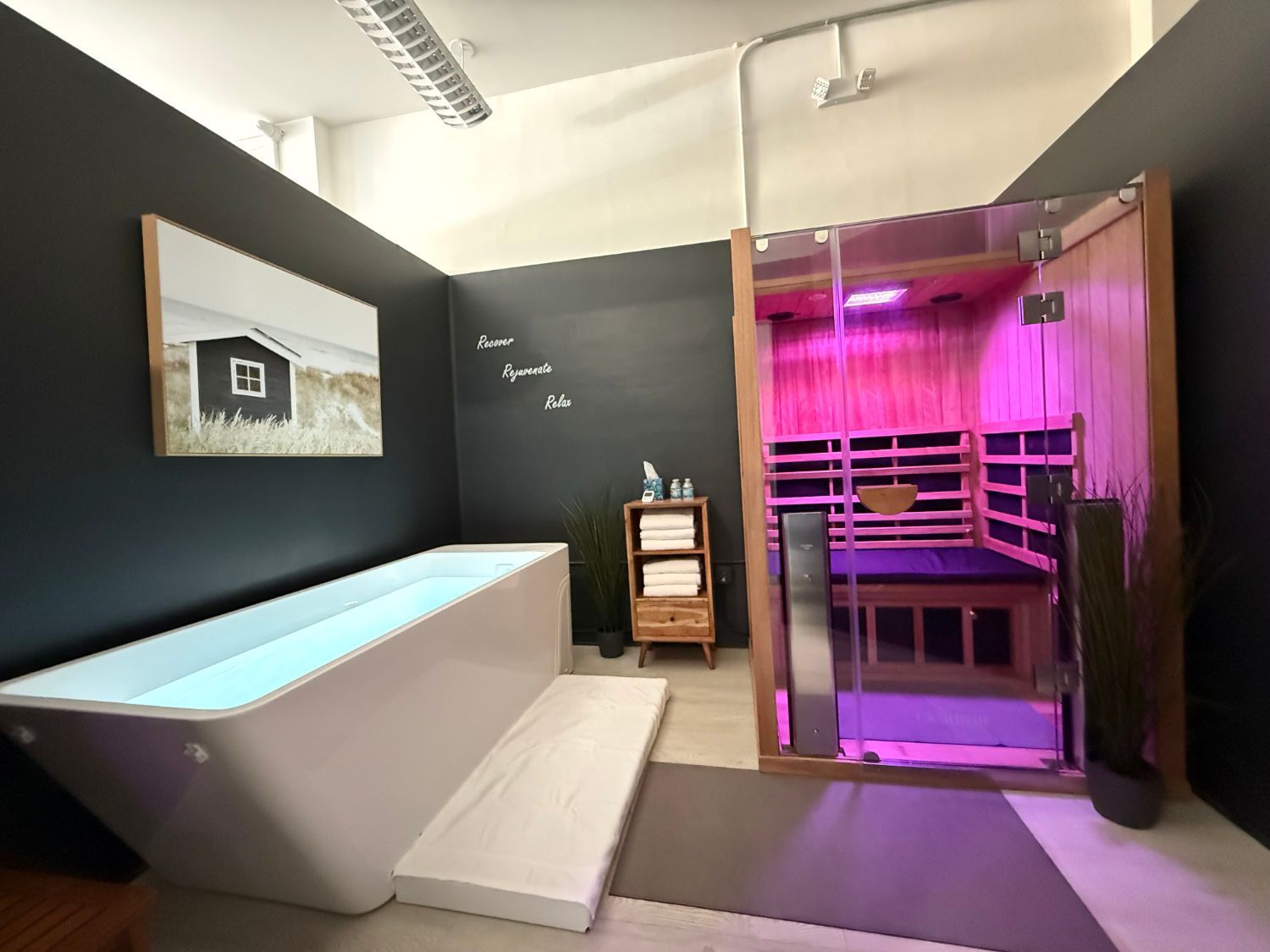
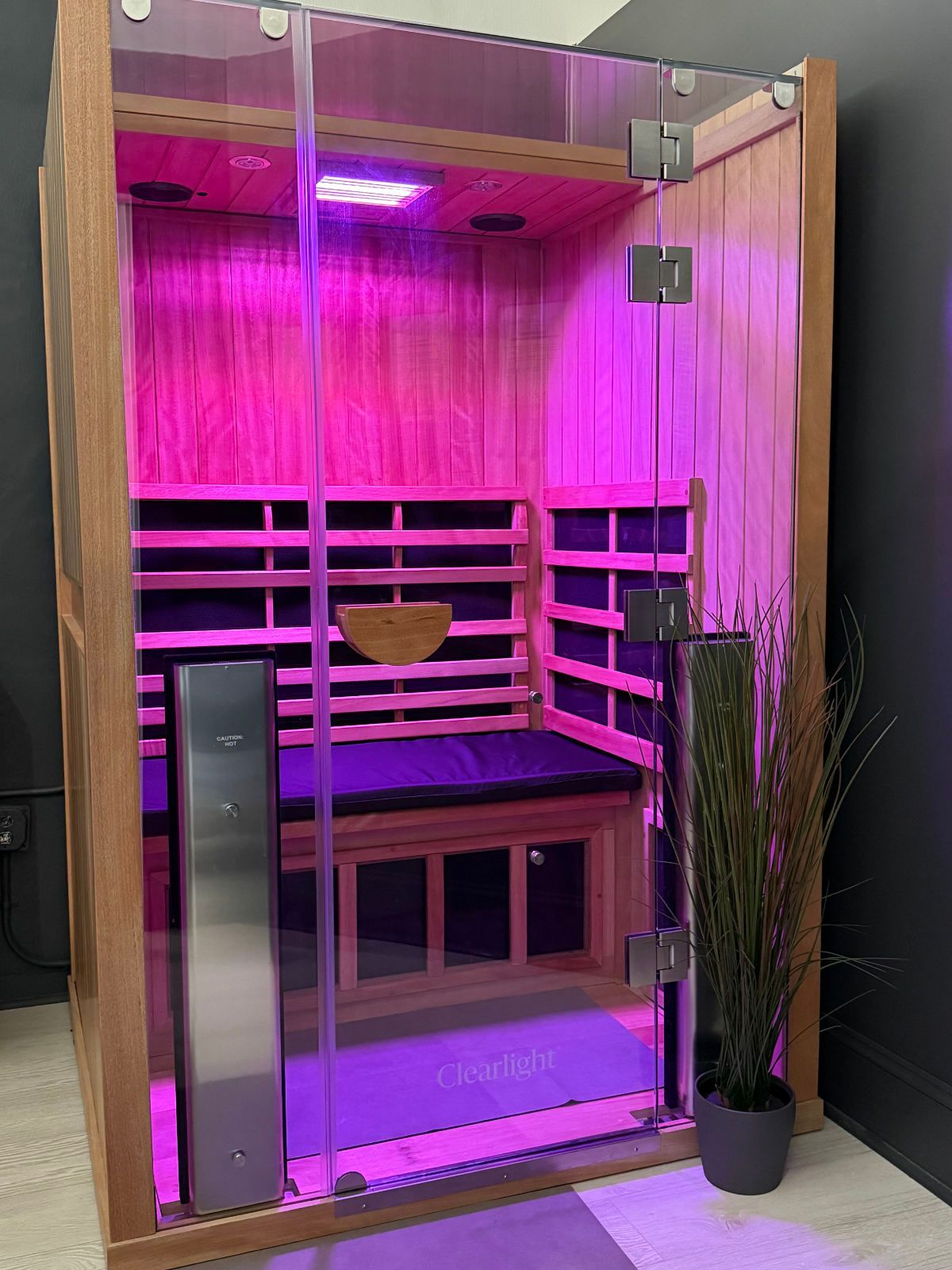
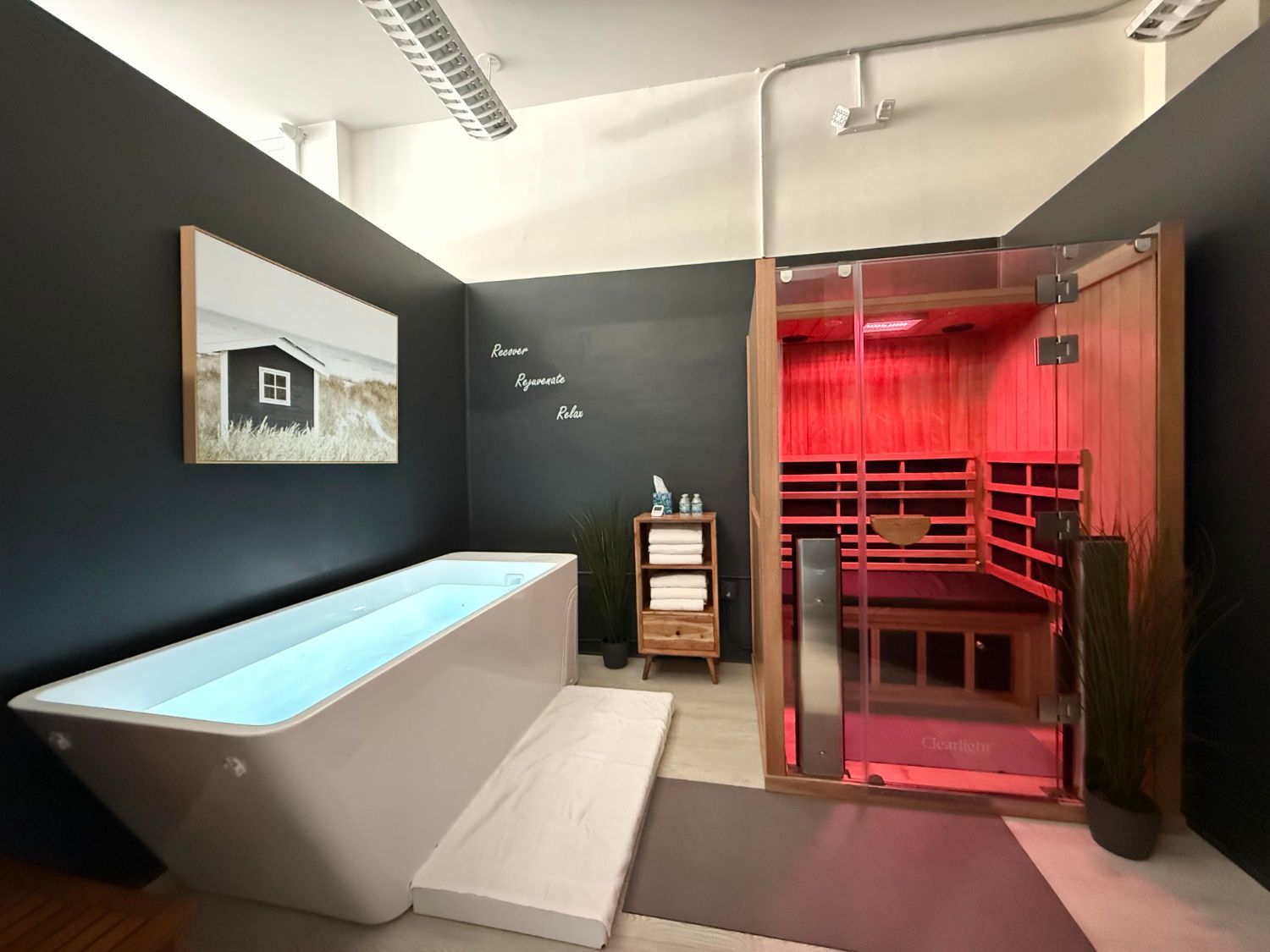
The experience pairs well with other services in our Recovery Room. Some of our clients like to follow a salt therapy session with time in the infrared sauna for additional relaxation. Others combine it with red light therapy as part of a broader wellness routine. And if you are already coming in for a cold plunge or contrast therapy session, adding salt therapy before or after is easy since everything is in the same space.
Who Might Benefit from Salt Therapy
Based on the available research and what we hear from our clients, salt therapy tends to resonate most with people dealing with seasonal allergies and congestion, especially during Tampa's peak pollen months in spring and early summer. People with mild sinus issues often report feeling clearer after regular sessions. And anyone who just wants a break from breathing Tampa's humid, allergen-heavy air seems to appreciate the clean salt environment.
That said, salt therapy is not appropriate for everyone. If you have a serious respiratory condition like severe asthma or active COPD, talk to your doctor before trying halotherapy. People with active lung infections, uncontrolled high blood pressure, or open wounds should also check with their healthcare provider first.
If you are pregnant, we recommend getting your doctor's approval before starting any new wellness practice, including salt therapy. The research on halotherapy during pregnancy is extremely limited.
How Often Should You Do Salt Therapy?
This varies based on what you are dealing with. For general respiratory maintenance and allergy management, most of our Tampa Heights clients find that one to two sessions per week provides noticeable relief, especially during high-pollen seasons.
If you are dealing with more persistent congestion or sinus issues, starting with two to three sessions per week for the first few weeks and then dropping to a maintenance schedule can help you gauge how your body responds.
Some people notice a difference after their very first session, particularly if they are congested going in. For longer-term benefits like reduced allergy symptoms over a full season, consistency over several weeks tends to produce the best results.
As with all of our Recovery Room services, there is no one-size-fits-all answer. Our team at Body Aligned can help you figure out a schedule that fits your goals and your life.
Frequently Asked Questions
Is salt therapy the same as using a neti pot or saline spray?
They work on similar principles but are quite different in practice. Neti pots and saline sprays deliver a salt solution directly to your nasal passages. Salt therapy disperses microscopic dry salt particles into the air, which you breathe in naturally. The particles reach deeper into your airways and lungs than a nasal rinse typically can. Some people use both approaches together for more complete respiratory support.
Can kids do salt therapy?
Yes, salt therapy is generally considered gentle enough for children. Many parents bring kids who deal with seasonal allergies or recurring congestion. Shorter sessions of about 15 to 20 minutes are usually recommended for younger children. As always, check with your child's pediatrician before starting any new wellness treatment, especially if your child has asthma or another respiratory condition.
Will salt therapy interfere with my allergy medications?
Salt therapy is not known to interfere with common allergy medications like antihistamines, nasal corticosteroids, or decongestants. However, it is always a good idea to let your doctor know about any complementary therapies you are trying, especially if you are on prescription respiratory medications. Salt therapy is meant to complement your existing treatment plan, not replace it.
Is there anyone who should avoid salt therapy?
Yes. People with active lung infections, severe or uncontrolled asthma, active tuberculosis, or uncontrolled high blood pressure should consult their doctor before trying halotherapy. If you have a condition that makes you sensitive to salt intake (like certain kidney conditions), talk to your healthcare provider first. And if you feel uncomfortable in enclosed spaces, let our team at Body Aligned in Tampa Heights know so we can make sure you are comfortable before starting a session.
Can I combine salt therapy with other recovery services on the same visit?
Absolutely, and many of our clients do. Salt therapy pairs well with all of our other Recovery Room services. A popular combination is salt therapy followed by an infrared sauna session for deep relaxation, or salt therapy before a cold plunge to start your session with clear airways. Everything is in the same space at 405 E. Oak Avenue in Tampa Heights, so building a multi-service visit is easy.
How is salt therapy different from visiting the beach?
Good question, and one we get a lot in Tampa. Ocean air does contain some salt, but the concentration is much lower and much less controlled than what you experience during halotherapy. A halogenerator produces a specific concentration of pharmaceutical-grade salt particles ground to a size that can reach deep into your airways. A walk on Clearwater Beach is great for a lot of reasons, but it is not delivering the same targeted salt exposure as a halotherapy session.
Ready to Breathe a Little Easier?
If Tampa allergies have been wearing you down and you are curious whether salt therapy might help, you can try a session at Body Aligned's Recovery Room in Tampa Heights. We are at 405 E. Oak Avenue, and our team can walk you through what to expect.
Whether you come for salt therapy on its own or want to combine it with our cold plunge, infrared sauna, red light therapy, or contrast therapy services, we can help you build a recovery routine that works for you.